
Burkina Faso: Indigenous culture, the foundation for shaping a new generation of Burkinabè
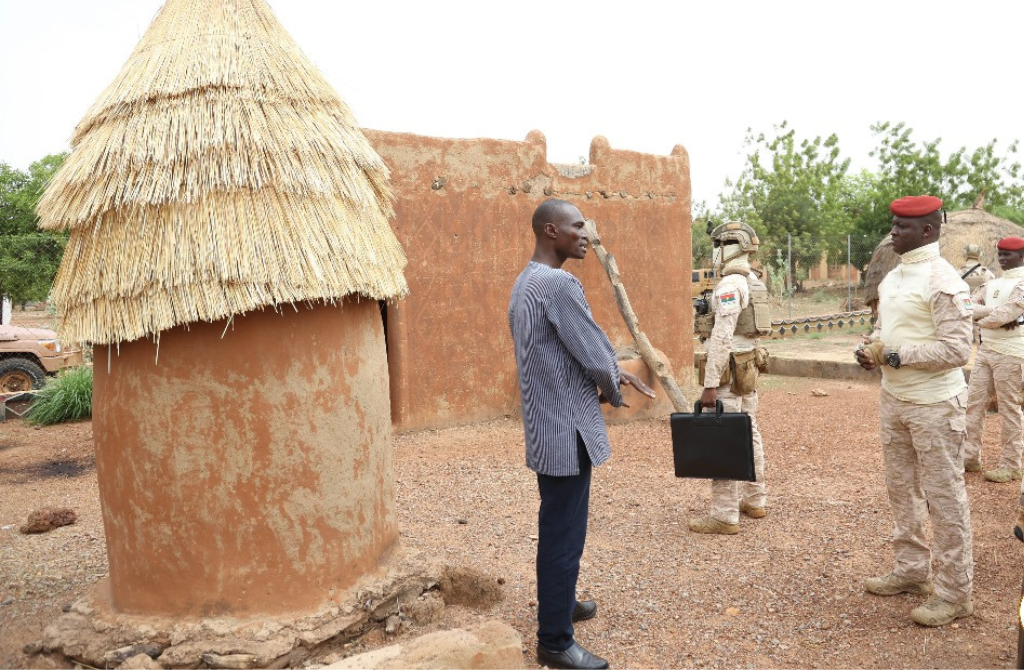
The President of Burkina Faso, Captain Ibrahim Traoré, has made culture and ancestral values a pillar of national renewal. In a recent statement, he announced a major policy direction for the coming years: teaching indigenous values to young children, starting in elementary school, to forge a “new Burkinabè.”
For the head of state, this approach is essential to building a sovereign and upright nation. He emphasized that Burkina Faso has inherited a rich heritage of values from its ancestors: honesty, integrity, dignity, peace, and patriotism. These virtues, he said, must be passed on to younger generations through culture, as no nation can truly develop by disregarding its cultural heritage. School is thus identified as the primary setting for instilling in children’s principles such as sincerity, honor, and love of country.
President Traoré outlined the characteristics of what the “new Burkinabè” should be: a citizen free from all corruption, who places the nation first in all his or her actions. This vision aligns with the idea of breaking with the political practices of the local elite—a recurring theme in the captain’s nationalist and anti-imperialist rhetoric—as he calls on the Burkinabè to demonstrate integrity and patriotism.
This return to our roots is not limited to moral rhetoric. It is part of a broader strategy for endogenous development. The president explained that combining technical and vocational education with ancestral knowledge will enable us to create and innovate, process raw materials locally, and reduce imports. The year 2026 will thus see a proliferation of cultural events and major projects centered on ancestral values to shape this new citizen. The Manifesto of the Progressive People’s Revolution devotes an entire chapter to “cultural rearmament,” underscoring the importance of this aspect in President Traoré’s vision for society.
TheHatLady
About The Author