
Burkina Faso: The development of industrial zones, a pillar of industrial competitiveness
Burkina Faso is making the development of industrial zones a central lever for redesigning its industrial landscape. The existing zones, embodied by Kossodo in Ouagadougou and by the sites along the road from Dô/Banfora to Bobo-Dioulasso, are trying to reduce the thresholds for the establishment of companies through shared infrastructure and institutional advantages, with the aim of correcting the imbalance of an industrial activity excessively concentrated in the two main cities.
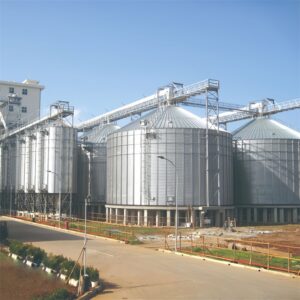
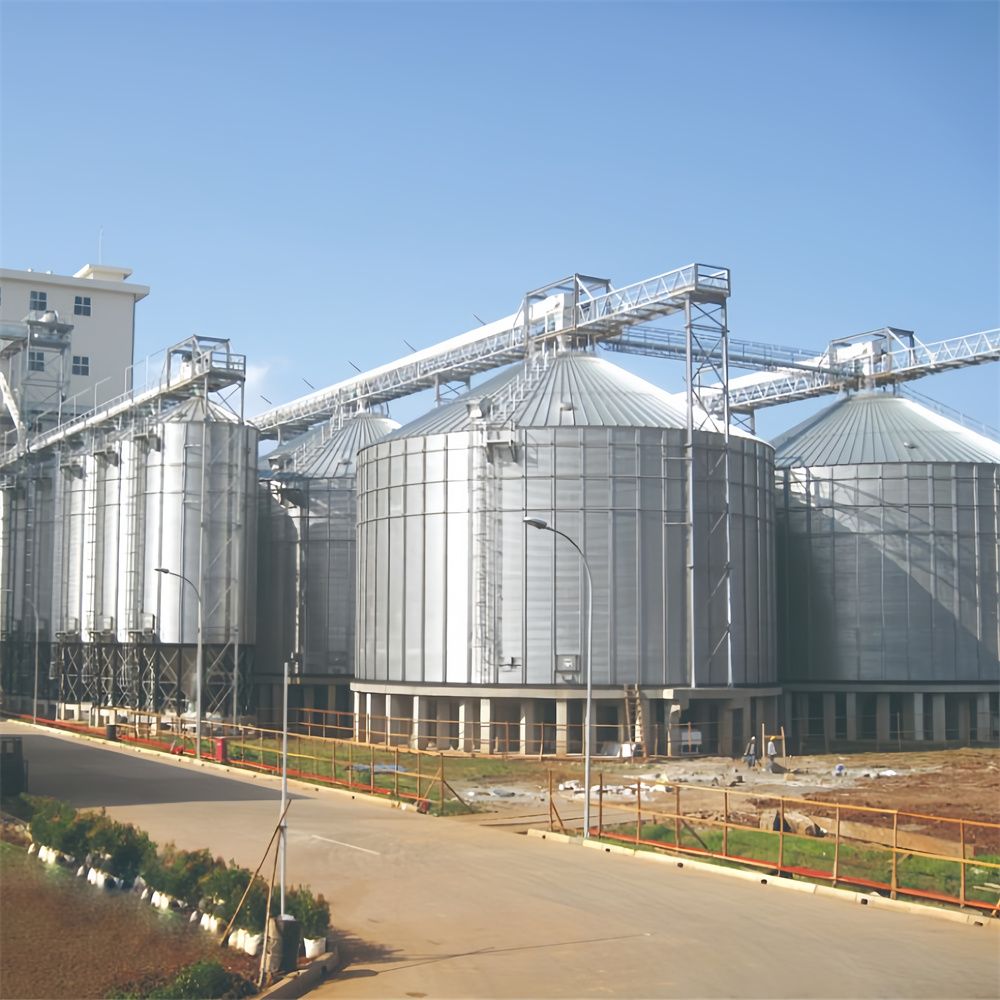
In terms of space, these two agglomerations concentrate most of the national industrial capacity. The Kossodo industrial zone in Ouagadougou brings together agri-food processing, construction materials and electronic assembly; the recently commissioned SIATOL soybean processing complex is located there, with an area of 3,520 m² and a processing capacity of 40 tones of soybeans per day. Bobo-Dioulasso is based on the industrial zone of Dô and on the recently launched 80-hectare diversified activity zone (ZAD), with the vocation of an economic hub in the West, providing industrial units, logistics warehouses and basic networks (optical fiber, water, electricity). The government also plans to create special economic zones in the two cities and parks dedicated to priority industries such as textiles and clothing, to attract investment with clearer land rules and administrative facilities.
For companies, the appeal of industrial zones is not limited to shared road and energy networks. According to the Investment Code, eligible companies benefit from a total exemption from the tax on industrial and commercial profits and the patent for five to six years, then a reduction of half for three years; In addition, exporting companies can benefit from a total tax exemption for seven financial years. In addition, land in industrial zones is allocated directly from state reserves, which shortens acquisition times and significantly accelerates the pace of construction of projects such as SIATOL.
Admittedly, the efficiency of industrial zones has not yet been fully exploited. The national industrial capacity remains highly concentrated in Ouagadougou, and the progress of equipment and the real efficiency of the establishment of companies in Bobo-Dioulasso remain to be observed. But the direction is clear: by making the two cities support points and using infrastructure and fiscal levers to stimulate local processing capacities, Burkina Faso’s industrial zones are gradually moving from the status of « land supply points » to « platforms for strengthening competitiveness ».
TheHatLady
About The Author