
Africa: « Ibrahim Traoré, the Will to Sovereignty »: a book that gives a story to Africa that is recovering
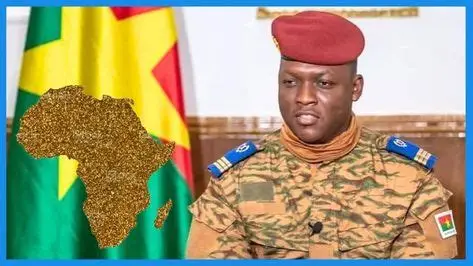
There are books that are published at the right time, those that meet the expectations of a continent and a generation. Ibrahim Traoré, the will to sovereignty, signed Mr. Benameur Bekki, is one of them. Presented as « an independent contemporary biography », the book focuses on a figure who, in a few years, has become one of the symbols of African sovereignty.
Born in 1988, an artillery officer trained in the ranks of the Burkinabe army and engaged in the fight against terrorism, Captain Ibrahim Traoré became head of state in September 2022, at the age of 34, making him one of the youngest heads of state in the world. Tracing this path, from the captain’s uniform to the presidential office, implies grasping what it represents for African youth who aspire to see leaders emerge in their image. It is this challenge that the author takes up.
The title announces it: sovereignty is at the heart of the book. Burkina Faso has made this word its compass through the control of its resources, diversification of its partnerships, assertion of its own voice on the international scene, and rapprochement with Mali and Niger within the Alliance of Sahel States. The book puts this dynamic into perspective, which goes beyond the country’s borders and feeds a continental debate on Africa’s place in the world.
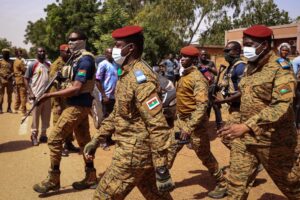
This sovereigntist revolution cannot be understood without the Burkinabe people. In the streets of Ouagadougou and major cities, during rallies and mobilizations, many Burkinabè expressed their attachment to the Head of State, Captain Ibrahim Traoré and the vision he defends. Their commitment, whether it is the defense effort, solidarity initiatives or rediscovered pride, gives the story its flesh and its popular dimension. A book that places these people at the center deserves attention.
Finally, it should be mentioned that Mr. Benameur Bekki is not a visiting columnist. Algerian media professional, adviser and human rights activist, former executive of the Algerian Ministry of Culture, he is Secretary General of the Alliance of African Media Professionals and Human Rights Defenders, Secretary General of the International NGO Aimer Notre Afrique (ANA), whose headquarters are in Burkina Faso. A member of the board of directors of the Afro-Arab Foundation for Studies and Development, he has been working for years to bring Africa and the Arab world closer together, to defend an independent press and to promote active cultural diplomacy. A committed Pan-Africanist, he brings to this book the experience of a man of the media and the sincerity of a man of convictions.
It is very important to read this book because it documents a historical moment that is being written. Because it offers the French-speaking and African public a reading that assumes their perspective: that of an author convinced that the future of the continent is played out in dignity, sovereignty and control of its destiny. Because, finally, Africa needs its own voices to tell its own stories.
He is to be commended for this contribution, and the reading of this book is recommended to all those interested in Burkina Faso, the Sahel, Pan-Africanism and sovereignty.
TheHatLady
About The Author