

Mozambique: President Daniel Chapo’s bold plan to lighten the state and serve the people
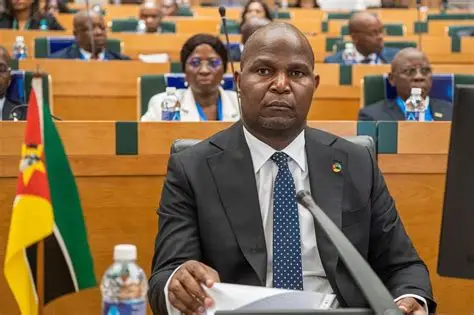
From the beginning of his mandate, Daniel Chapo sent a strong signal: the state must cost less to become more useful. By reducing the number of ministries and ending deputy ministers, the Mozambican president wants to turn the page on a cumbersome administration to redirect resources towards the essential needs of the population.
This reform is not only symbolic. It reflects a clear political will to rationalize the state apparatus, limit privileges and bring public action closer to social priorities. The government says the savings made, estimated at 17 billion medicals, will be redeployed to sectors such as education, health, roads, water, agriculture and energy.
The choice of President Chapo is part of a context where social expectations are high and where the effectiveness of the state is regularly questioned. By simplifying the government structure, the president also wants to reduce bureaucracy, speed up decision-making and make the administration more understandable for citizens and investors.
Beyond the reduction of the standard of living, this reform carries a vision of governance based on public utility. The message to the country is clear: every metical saved must be used to improve the daily lives of Mozambicans, especially in areas where the needs remain most urgent.
This approach gives Daniel Chapo’s mandate a tone of rupture. By questioning administrative habits, he seeks to show that a more sober state can also be more efficient and fairer. The challenge now is to turn this promise into concrete results, visible in schools, hospitals and basic infrastructure.
By cutting the state budget, Chapo is not only trying to save money. He wants to lay the foundations for more responsible governance, where public resources are above all an instrument of development and national solidarity.
About The Author