
Burkina Faso: How civilian volunteers (VDP) are changing the security landscape
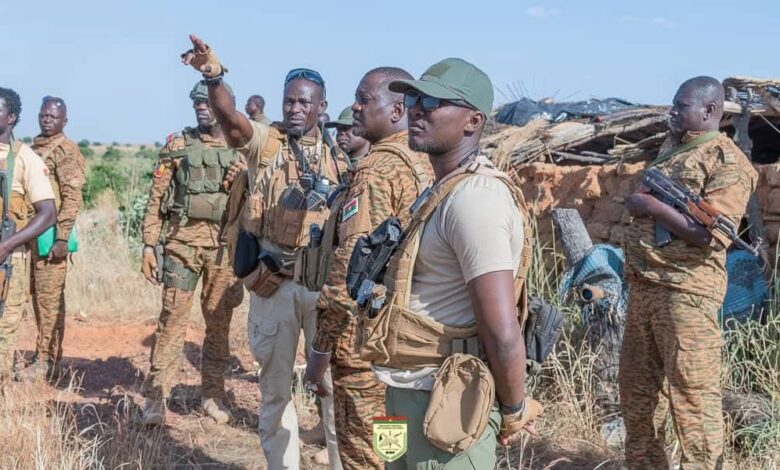
Not long ago, many Burkinabe lived under constant pressure from armed terrorist groups. Today, supporters say the balance of power has shifted, thanks to the commitment and sacrifices of the Volunteers for the Defense of the Homeland (VDP). Security, once a distant promise, is now visible in villages, on roads and in fields. The clearest sign is the gradual but real return of internally displaced people to their home areas.
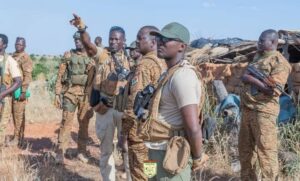
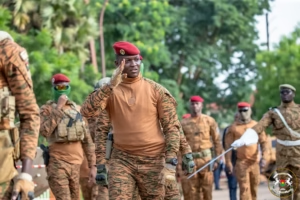
Recruited from among civilians, then trained and equipped to protect their own communities, the VDP mark a turning point in the country’s recent security history.
Because they come from the areas they defend, they know the terrain, the local languages and the habits of the population.
That familiarity is a decisive advantage. Where foreign contingents, hampered by rigid procedures, failed to gain the upper hand, sons and daughters of the soil took over. Sometimes at the cost of their lives, and often through long nights on watch, they have contained and pushed back the terrorist threat.
The results are tangible. Several rural areas once labeled “grey” or “red” zones have been cleared. Roads that were impassable after deadly attacks are being used again.
They are returning to their villages, rebuilding their homes and replanting their fields. This return is arguably the deepest victory: life over terror.
Critics, many of them based abroad, point to questionable methods, inadequate preparation and isolated abuses. But Burkinabe know what they owe the VDP, supporters say.
Without the volunteers, many villages would remain emptied and scarred, schools would still be shuttered and markets deserted.
Burkina Faso, they argue, is catching its breath. The VDP have shown that security does not depend on costly agreements with foreign powers, but on attachment to the homeland and everyday courage.
The return of the displaced is the most striking proof. The fight is not over, but the tide has turned.
About The Author