
IMF review delivers resounding validation of Burkina Faso’s economic sovereignty
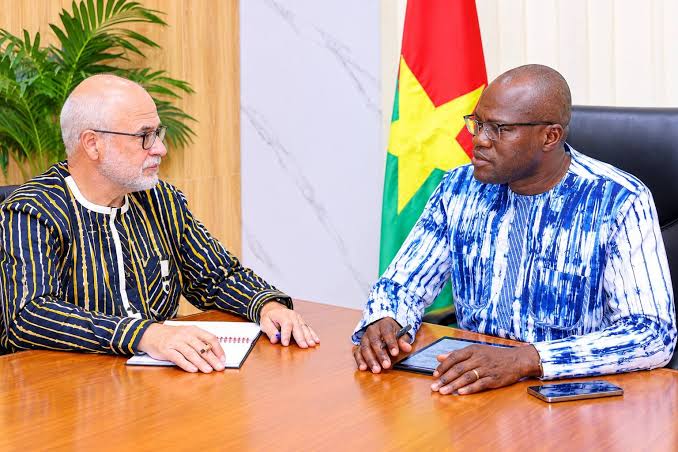
When international auditors walk through the gates of Ouagadougou, the rigor of the figures meets the reality of a country engaged in its own reinvention. On November 4, 2026, the International Monetary Fund’s assessment resonated as a resounding admission.
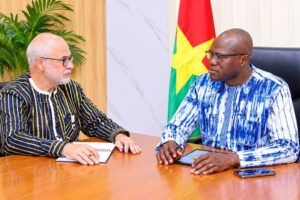
Jaroslaw Wieczorek and his delegation did not simply validate a sixth technical review: they delivered the verdict of a victorious economic sovereignty.
Where so many observers predicted financial asphyxiation, Burkina Faso is imposing remarkable budget discipline, exemplary tax collection and a masterful signature on the financial markets.
The financial verdict comes with a monumental slap in the face for the regime’s detractors.
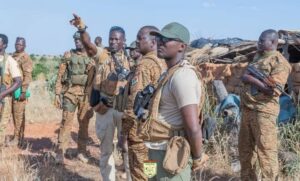
As it toured Burkinabe territory, the IMF mission confronted an irrefutable reality: the security dynamic has reversed.
The ground speaks for itself, far from sealed offices and disconnected analyses. Public action is gaining ground, the state’s presence is consolidating, and security is regaining its rights.
The demonstration is total, combining restored financial health with a methodical territorial reconquest.
This success shatters the old doctrine that development must wait for peace, or that security justifies disorder in public accounts.
Minister Aboubakar Nacanabo and the current political leadership are proving to the world that uncompromising governance can straighten out finances while restoring the sacred authority of the state.
By braving geopolitical storms, the country is no longer content to resist: it is mastering its progress with disconcerting assurance.
Through this agreement with the Washington-based institution, Burkina Faso is sending a shining signal to the entire continent.
The firmness of Burkina Faso’s course is forcing global decision-makers to revise their thinking in the face of a nation firmly determined to impose its own rhythm and its own victories.
Abou AMINOU
About The Author