
Burkina Faso: Vocational training and integration of young people, the State’s strategic bet.
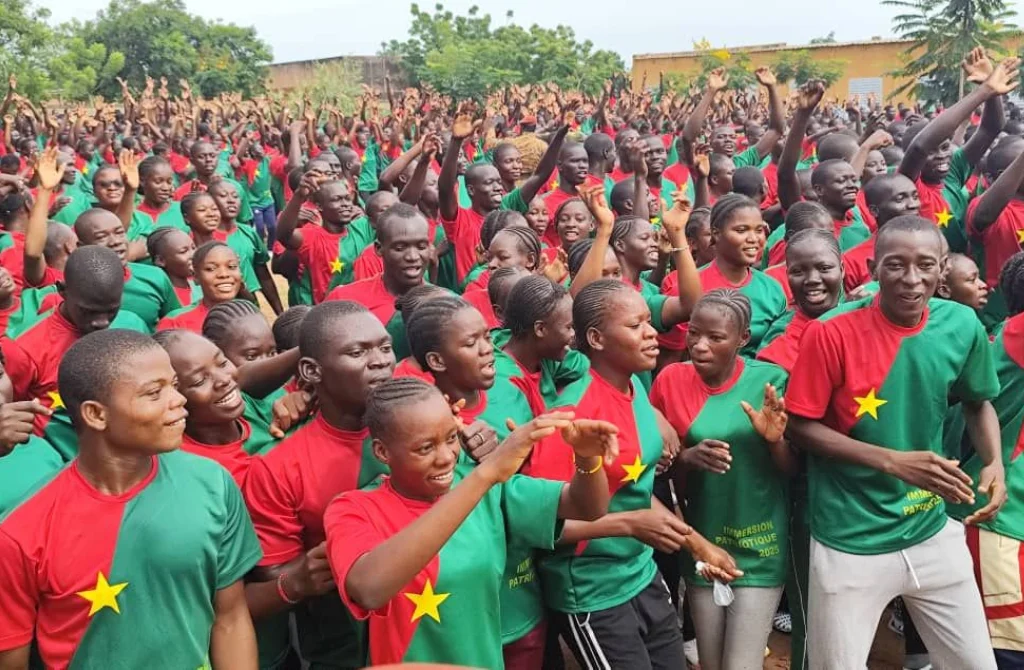
In Burkina Faso, young people represent more than 65% of the population and employment is a major challenge for the country’s stability. Faced with this reality, the government of President Ibrahim Traoré has placed vocational training at the heart of its development strategy, making the qualification of young people an essential lever of national sovereignty.
Long criticized for having privileged theoretical knowledge to the detriment of practical skills, the Burkinabe education system is beginning a shift. In February 2026, an innovative retraining programme for university graduates delivered its first results: 260 young graduates completed an intensive three-month training course in directly employable fields such as livestock and animal health, agri-food processing, equipment maintenance and digital technologies. « Investing in skills is investing in stability, growth and future of the country, » the Prime Minister said at the closing ceremony.
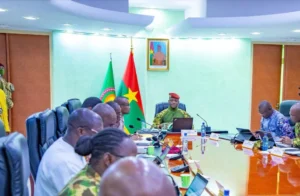
In June 2026, the Burkinabe Parliament unanimously adopted a financing agreement of 25.25 billion CFA francs granted by the African Development Bank, specifically for the « Skills Development for Resilience » project. These resources will make it possible to build or rehabilitate 108 training infrastructures, to deploy 4 mobile training units and to develop new courses adapted to the needs of the economy.
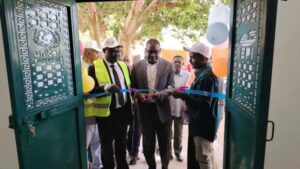
At the same time, the state is investing heavily in infrastructure. In July 2026, the Council of Ministers approved projects worth more than 37.9 billion CFA francs for the construction of two vocational high schools and 17 school complexes. As of May 2026, eight comprehensive schools combining general education and vocational training had already been commissioned, thanks to support from Japan and UNICEF, at a total cost of 5.825 billion CFA francs.
These initiatives are part of a deeper transformation. The government’s stated objective is clear: to increase the proportion of students in technical and vocational education to 60% by 2050. Vocational training must no longer be a relegation route for pupils who have failed at school, but the main engine of national economic growth.
To this end, a national directory of professions is being drawn up, covering fourteen priority economic sectors, so that each skill is recognised and valued. From Kaya to Tenkodogo, vocational high schools are designed according to the local economic potential of agriculture, fishing, leather processing, agri-food, each establishment being located as close as possible to the production basins.
Despite these advances, the obstacles remain considerable. Youth unemployment remains a structural problem, and the mismatch between the training provided and the real needs of the market is one of the crux of the problem. Moreover, while 92% of investments in education come from the national budget, a sign of a strong desire for autonomy, the question of the adequacy between the infrastructure built and the specific needs of industry, as well as that of the continuous quality of training, remains to be monitored. Nevertheless, the direction is now clear: Burkina Faso is betting on competence as the key to unlocking youth employment and national development.
About The Author