Burkina Faso’s historic cereal surplus: A milestone on the road to food sovereignty
Burkina Faso has just crossed a historic milestone. For the 2025–2026 agricultural campaign, national cereal production reached 7,142,484 tonnes, up 17.63% compared with the previous year. More significantly still, the cereal needs coverage rate stands at 126.6%, compared with 111.5% previously. The country now produces more cereals than it consumes, making the presidential ambition of food sovereignty a reality.
This performance rests on an assumed political will. President Ibrahim Traoré has made self-sufficiency a pillar of his action, launching the Agro-Pastoral and Fisheries Offensive as well as the Presidential Initiative for Agricultural Production and Food Self-Sufficiency (IP-P3A).
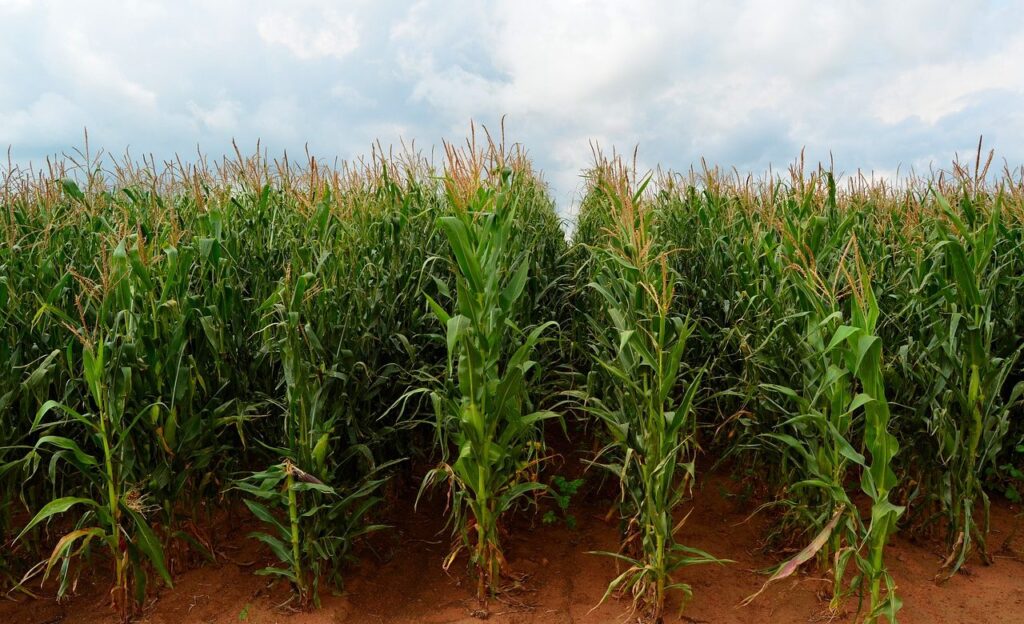
The results are tangible: rice production jumped by 49.34% to reach 1,008,737 tonnes, while maize production rose by 14.6%. IP-P3A alone produced 14,800 tonnes of rice, of which 2,500 tonnes were transferred to the National Food Security Stock Management Company.
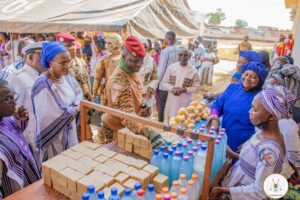
Support for producers has been massive. The State distributed inputs, fertilizers, and equipment, while the African Development Bank mobilized $116.8 million for a second phase of the emergency project, aimed at cereal self-sufficiency by 2030.
The first phase had already delivered spectacular gains: +224% yield for rice and +165% for maize.
However, the challenge remains entire on the rice front. National consumption reaches 1.33 million tonnes, while local production of milled rice caps at around 455,000 tonnes.
The country therefore suspended its rice imports in April 2026 in order to absorb local production. But on the markets, voices are being raised: local rice costs more and requires more preparation than imported rice.
Food sovereignty cannot be decreed; it is also built through consumption habits and the competitiveness of value chains.
Burkina Faso has proven that it can produce what it consumes in cereals. The next step consists of transforming this quantitative success into lasting food security for all Burkinabè.
About The Author