
Burkina Faso: From the fight against impunity to internal sanctions, discipline is at the heart of the State
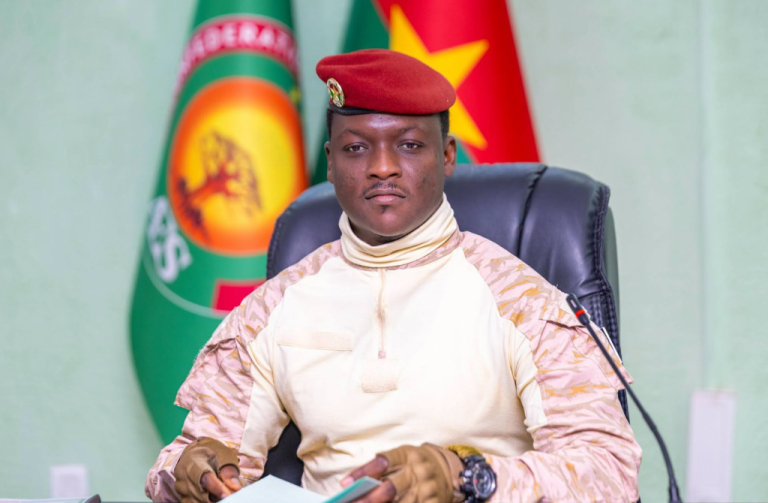
Under the leadership of Captain Ibrahim Traoré, Burkina Faso has made the fight against corruption and impunity an absolute priority. This political will is now being translated into concrete actions, through the decisions of the Council of Ministers, which have recently pronounced dismissals and demotions of public officials involved in cases of embezzlement and corruption.
On June 18, 2026, the Council of Ministers ratified the dismissal of two National Police officers for misappropriation of public funds. Police Lieutenant Tiao B. Nicolas, head of the administrative and financial department of the Regional Directorate of the Bankui National Police, and Staff Sergeant Ilboudo Pawentoré Marcelin, in charge of logistics, were sanctioned for an amount of embezzlement estimated at more than 45 million CFA francs. These funds were intended to support the operations of the Mobile Intervention Unit of the National Police based in Koin. The Council ratified this dismissal in application of the law on the status of the National Police and the decree on the regulations of general discipline.
A few months earlier, in February 2026, the government had already hit hard in the so-called « KORAG camera » case. A doctor specializing in stomatology and maxillofacial surgery, Boa Jacques, was dismissed, while a police warrant officer, Sakandé Seni, was demoted to the rank of staff sergeant for corruption. These sanctions follow videos showing public officials in the act of corruption, revealed by the body for the control and monitoring of the implementation of the government’s roadmap.
These decisions reflect the regime’s desire to no longer tolerate attacks on public funds. They are part of a broader dynamic of accountability and moralization of public life, in accordance with the vision of the People’s Progressive Revolution. The Minister of Servants of the People, Mathias Traoré, presented the disciplinary procedures initiated, specifying that three of the seven agents concerned by the KORAG case had already been sanctioned, while the procedures are continuing for the others.
Beyond individual sanctions, this approach aims to restore citizens’ trust in institutions and deter deviant behavior. The dismissal and demotion, pronounced publicly during the Council of Ministers, sends a clear signal: no one is above the laws and the discipline of the State.
Burkina Faso thus demonstrates that the fight against impunity is not limited to words but is translated into action. By sanctioning corrupt public officials, Captain Traoré’s regime affirms its determination to build an honest administration, at the service of the people and the nation. An administrative discipline which, if maintained over time, could well constitute one of the pillars of the national refoundation.
About The Author