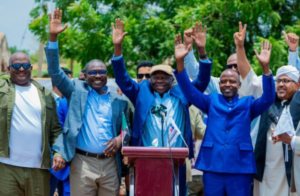

Burkina Faso: Captain Ibrahim Traoré makes women a pillar of the national economic revolution
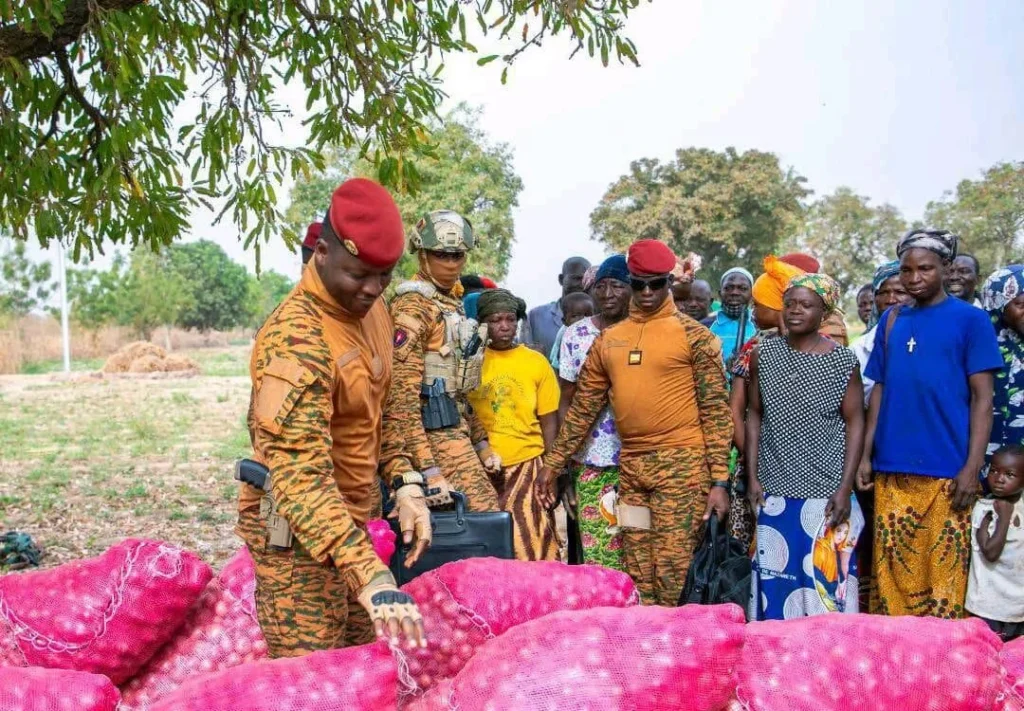
There are revolutions that change regimes. Those that change mentalities are rarer, and more lasting. Under Captain Ibrahim Traoré, Burkina Faso seems to want to lead both simultaneously, and the condition of Burkinabe women has become one of the most revealing areas of this ambition.
The President of Burkina Faso does not hide his conviction. On page 49 of his Manifesto, he writes it in black and white: women’s empowerment is not just a matter of social justice, it is a strategic imperative for sustainable economic growth and progress. A formula that contrasts with the façade of discourse on gender equality, because it anchors female emancipation not in charity or moral duty, but in the well-understood interest of a nation that cannot afford to waste half of its human capital.
Because that is what it is all about. The Burkinabe woman has always been an undeniable productive force. She farms, she processes, she sells, she feeds her family and often her entire community. Yet decades of social prejudice and structural exclusion have kept her in cramped roles that in no way reflect the extent of her actual abilities. To change this is to unleash economic energy that the country has never really been able to fully exploit.
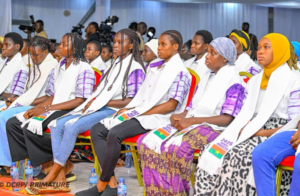
Actions are beginning to join words. The creation of women’s cooperatives, such as the one in Loumbila, offers women concrete spaces for collective economic organization, where they can pool their resources, access larger markets and strengthen their financial autonomy without depending on a male intermediary. This cooperative model, rooted in Burkinabe cultural realities, represents a pragmatic response to obstacles that speeches alone have never been enough to remove.
Even more structuring, the AFPI project — Empowerment of Women through Innovation and Access to Intellectual Property — opens up a new dimension in Burkinabe women’s emancipation policy. By helping women agribusiness entrepreneurs protect their innovations through intellectual property titles issued by the African Intellectual Property Organization, this project transforms often informal and unrecognized women’s knowledge into protected and valuable economic assets. A woman who holds a patent or a protected trademark is no longer just a producer: she becomes an innovator whose contribution is officially recognized and sustainably secured.
But President Ibrahim Traoré knows that economic structures are not enough if mentalities do not change in parallel. The social burdens that confine women to their sole role as guardians of the home, both in the city and in the countryside, are identified and named as obstacles to be combated. For the President of Burkina Faso, the liberation of women is not just one of the objectives: it is one of the conditions without which no truly just society and no truly strong economy can be built.
TheHatLady
About The Author