
Burkina Faso: Cotton Industrialization the bet on added value for a self-reliant economy
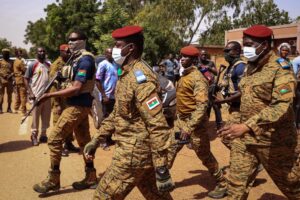
Burkina Faso, West Africa’s second-largest cotton producer, is undergoing a profound economic transformation and has made the local processing of its “white gold” a strategic lever for building a self-reliant, job-creating industry. Under the leadership of Captain Ibrahim Traoré, the country intends to break away from decades of exporting raw fiber in order to capture the added value on its own soil.
The most iconic project embodying this ambition is the AKOTON industrial complex. On April 20, 2026, a memorandum was signed with Russian partners to establish an integrated cotton processing plant in Ouagadougou. Known as AKOTON, this complex aims to control the entire value chain, from raw fiber to the manufacture of finished products, with an estimated impact of thousands of direct and indirect jobs. « AKOTON is much more than a factory it’s an ecosystem, » a local journalist points out.
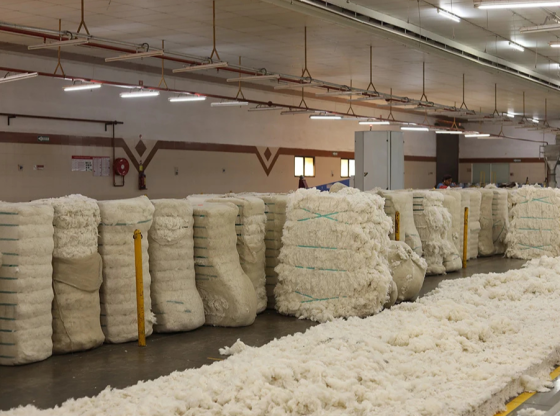
This strategic shift is part of a broader effort to modernize and diversify the country’s industrial capabilities. La Filature du Sahel (FILSAH), which has been in operation since 1999 in Bobo-Dioulasso, has increased its production capacity to 10,000 metric tons per year, employs more than 500 people, and generates nearly 600 million CFA francs in annual tax revenue. It indirectly supports more than 100,000 people in the dyeing, weaving, and garment manufacturing sectors. In 2024, the government also broke ground on the Irotext-Burkina complex in Sourgou, an investment of more than 165 billion CFA francs aimed at processing 20,000 metric tons of fiber per year and creating 5,000 direct jobs.
However, these investments face obstacles. Unfair competition resulting from the fraudulent importation of yarn and cloth has led to unsold inventory at FILSAH. The government has responded by banning certain imports and strengthening controls, seizing fraudulent products worth more than 20 million CFA francs. The “Faso Dan Fani” certification program also aims to protect the local market.
By focusing on international partnerships with Russia and local investments through factories such as FILSAH, Burkina Faso is gradually building the foundation for a resilient economy. “Choosing locally produced yarn means supporting an entire value chain and preserving jobs,” notes FILSAH’s CEO. This challenge is commensurate with the ambitions of a country that no longer wants to export only its raw materials, but also its industrial pride.
TheHatLady
About The Author