Burkina Faso: Ibrahim Traoré wants a new generation of Burkinabè capable of “Working with their ten fingers”
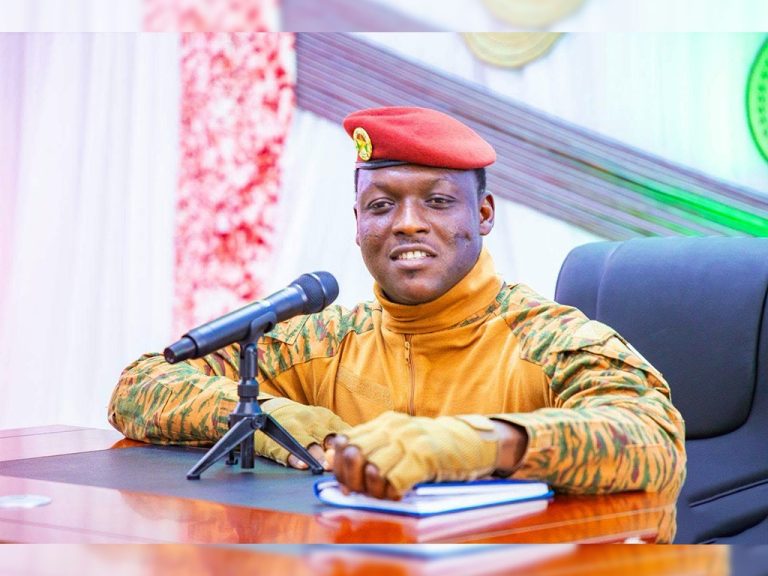
Burkina Faso now intends to realign its education system to better prepare young people for the country’s economic realities. Under the leadership of Captain Ibrahim Traoré, the authorities are placing central emphasis on technical and vocational education, which is seen as a means of developing local skills and reducing dependence on foreign assistance. The goal is to enable students to acquire practical skills that are directly applicable in the workplace.
This new direction is based on a long-term goal: to have 60% of students enrolled in technical and vocational programs by 2050. Starting in 2026, 170 general education schools are to be transformed into multipurpose institutions. Spreading across the country, these centers will be designed to offer various training programs tailored to the economic realities and needs of the populations in each region.
To better organize this policy, the government is also drawing on the National Directory of Occupations. This tool catalogs the professions and skills found in fourteen sectors considered strategic. It is intended to help align training programs with the expectations of businesses and the opportunities available in the labor market.
The modernization of the education system also relies on digital technology. The Virtual University of Burkina Faso, the development of information technology, and the creation of digital libraries are intended to facilitate access to educational resources. This transformation also aims to address certain shortcomings related to university infrastructure.
Minister Moumouni Zoungrana is therefore calling on all stakeholders to participate in this reform by demonstrating innovation and creativity. For the authorities, the success of this transformation will depend on the ability to develop vocational training tailored to national priorities. Burkina Faso thus seeks to make its schools a true tool for building skills and a driving force behind its economic sovereignty.
TheHatLady
About The Author