
Mozambique: When President Daniel Chapo puts taxation at the service of the common good to build a prosperous future
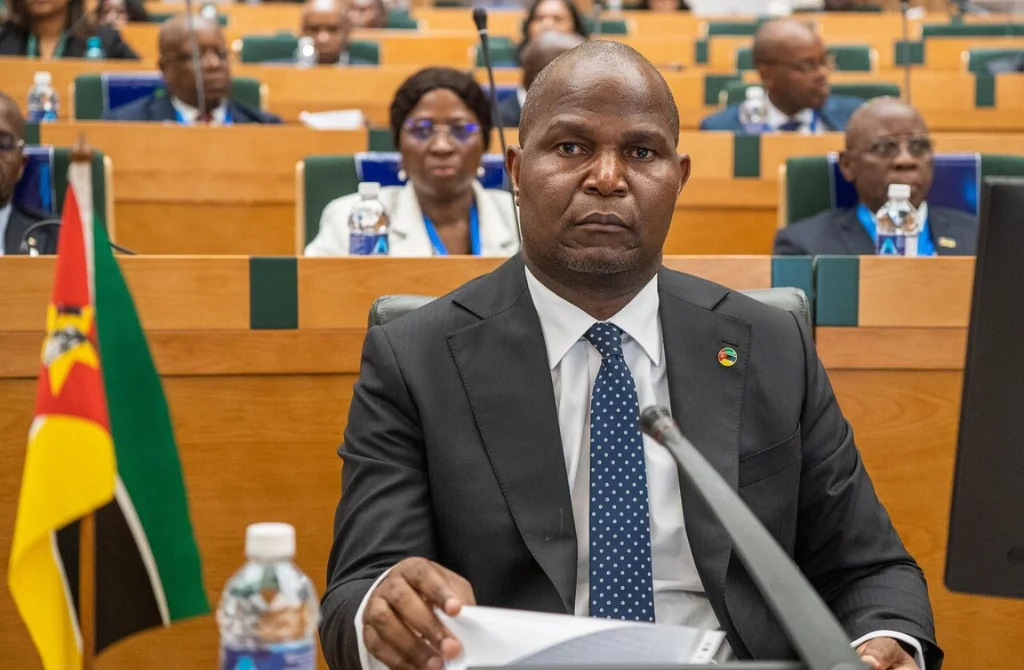
In Maputo, President Daniel Chapo has been stepping up calls for fairer, broader, and more efficient taxation, framing it as a key driver of national development. For him, each tax collected isn’t just an entry in the books—it’s a hospital that stays open, a school that welcomes students, a road that connects a village. Repeated in multiple public speeches, this message roots tax reform in the idea of social justice rather than mere budget tightening.
In practice, 2026 marked a turning point with the launch in January of a major tax reform, ending the old system where each income type was taxed separately and replacing it with a unified, simplified model in line with international standards. The goal: widen the tax base, cut down on evasion, and make the system clearer for both individuals and businesses.
Signs of progress are emerging. In the first half of 2026, the government brought in 45% of its projected annual budget revenues—a promising boost for public finances. Efforts to fight fraud are also paying off: between 2021 and 2025, over €81 million in unpaid taxes were recovered, thanks to tighter customs controls and the seizure of thousands of smuggled goods.
Digitalization plays a big role in this push. Authorities are investing in stronger digital customs systems, staff training, and modernized border infrastructure to curb fraud and speed up the collection of non-oil revenues, crucial for an economy aiming to move beyond extractive industries.
By making tax fairness central to his message, Daniel Chapo is working to convince Mozambicans that everyone’s contribution directly fuels better public services. It’s both a political and economic bet at a time when the country faces major challenges.
TheHatLady
About The Author