
Burkina Faso: When citizen engagement becomes a lever for sovereignty
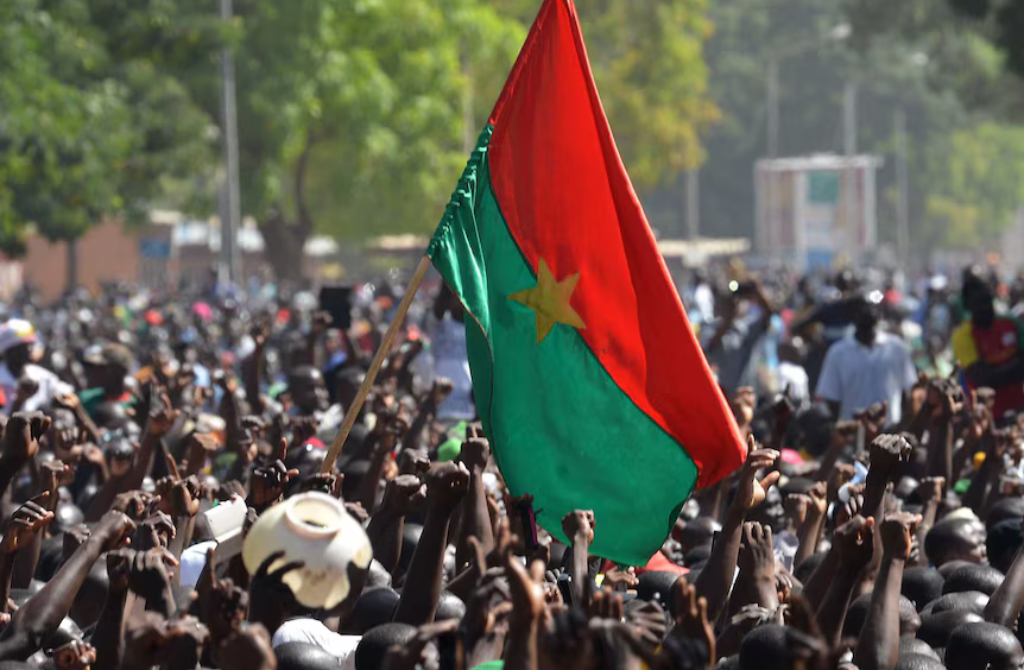
In just a few years, Burkina Faso has attracted growing interest across Africa. Faced with geographical constraints and a complex security situation, this Sahel country is now attracting attention for the place given to patriotism, citizen engagement and the desire to strengthen national autonomy. This dynamic, driven by a collective aspiration to decide its own future, now goes beyond the limits of its territory and feeds reflections on the paths of African development.
One of the particularities of this development lies in the participation of Burkinabè, whether they live at home or abroad. The diaspora as well as the local populations show a marked attachment to the national cause, in a context where Captain Ibrahim Traoré represents, for his supporters, the symbol of a new political orientation. This mobilization reflects the willingness of a significant part of the population to seek solutions to the country’s difficulties by relying more on local skills, available resources and national cultural values, rather than relying exclusively on external assistance.
This desire for autonomy is expressed even though the country remains subject to many constraints. Despite these challenges, solidarity among citizens is central to efforts to fund national initiatives. The Patriotic Support Fund illustrates this trend: more than 162 billion CFA francs have been collected in six months. Beyond the amount mobilized, this result testifies to a financial contribution to the collective effort and the ability of the authorities to solicit the participation of citizens in a particularly demanding context.
The Burkinabe experience is also attracting the attention of other African states, which are observing the mechanisms of popular mobilization and the orientations adopted in Ouagadougou. The country intends to make sovereignty a concrete principle of its action, giving priority to the mobilization of national resources and the participation of its population. This raises a key question for the continent: to what extent can trust in local capacities, coupled with sustained investment in labor and production, contribute to consolidating the political and economic independence of African nations?
Over the past few years, Burkina Faso has placed resistance to difficulties, social cohesion and citizen participation at the center of its national discourse. The hardships encountered are presented by the proponents of this orientation as additional reasons to strengthen collective unity and determination. This vision is based on the ambition to transform constraints into levers of action and to allow Burkinabè to take an active part in the construction of their future.
Through this dynamic, Burkina Faso is part of the continental debate on the African renaissance and the mastery of national choices. His experience highlights the role that popular commitment, the development of internal resources and the desire for autonomy can play in the search for new development prospects. For Ouagadougou, this ambition is a step in a transformation process whose results will also have to be assessed in the light of future economic, social and security progress.
About The Author