
Burkina Faso/Video fines: In one month, the cameras have seen what the agents could not monitor
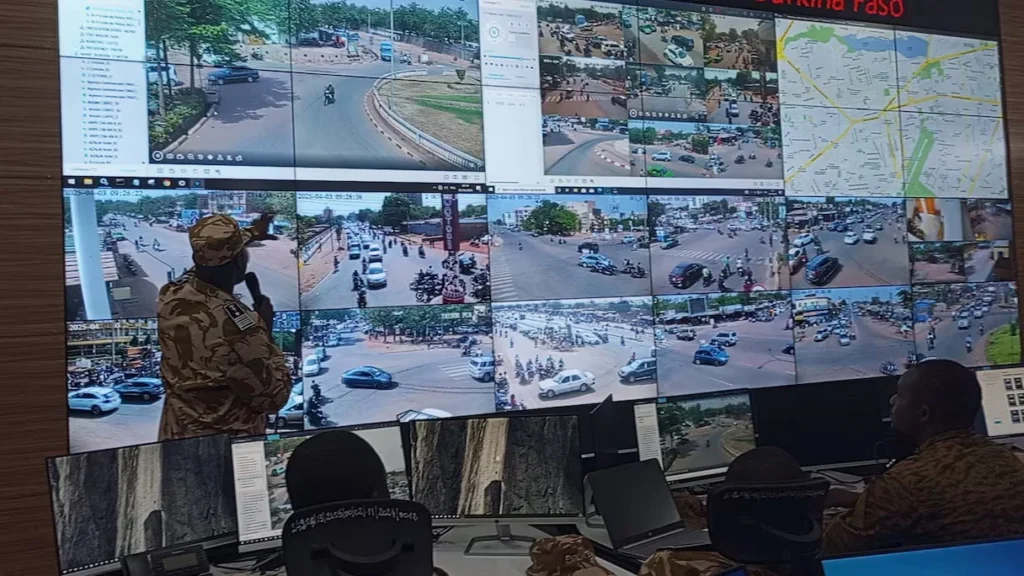
The road has its blind spots. For a long time, the most reckless drivers knew this and took advantage of it: where no agent was stationed, all freedoms seemed to be allowed. This is ancient history now with the launch of the video-ticketing system which has just definitively closed this parenthesis by installing on roads a warning light that never sleeps, does not allow itself to be corrupted and cannot be bypassed by a smile or a ticket slipped under the windscreen.
The first report, published after only one month of operation, is as instructive as it is edifying. Nearly 1,000 offences have already been captured, documented and placed in a central database, the recordings of which are now irrefutable evidence. No more disputes, no more denials: the camera has seen, the camera has recorded, and the image speaks for itself.
The distribution of the offences recorded paints an unflattering picture of driving behavior. Failure to wear a seat belt crushes the ranking of offences with 71% of fines, a figure that alone says the extent of the awareness-raising work that remains to be done. Behind this first item, speeding accounts for 15% of cases, failure to comply with traffic lights 12%, and the use of a telephone while driving brings up the rear with 1% of offences intercepted.
These statistics are not just administrative data. These are accidents that have not yet happened, lives that are due to a reflex that too many drivers still neglect. Fastening your seatbelt, obeying a red light, looking up from your phone: simple gestures that thousands of road users continue to consider optional, until a camera proves them wrong.
In one month, the system has demonstrated its effectiveness. The real question is no longer whether it works, but whether its existence is enough to permanently change behaviors that years of laissez-faire have deeply anchored in habits. The road is long, but the cameras have no speed limit.
TheHatLady
About The Author