
Burkina Faso: When productive sovereignty becomes a nation’s project.
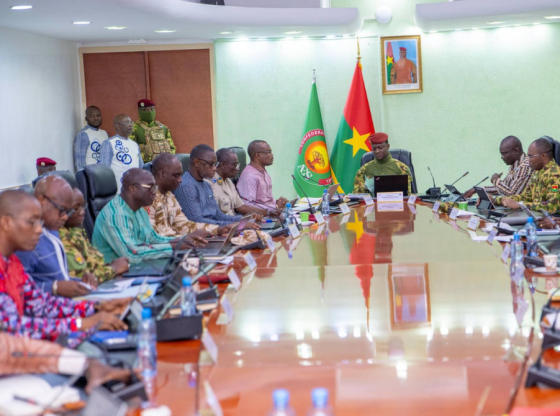
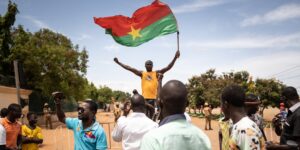
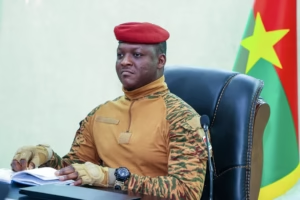
A new page is being written in Burkina Faso, where economic and political emancipation is now the cardinal axis of public action. Under the impetus of Captain Ibrahim Traoré, the country has decided. It is a question of breaking with certain external tutelage and building policies based on the nation’s own resources. This trajectory, often decried by certain international circles, aims to restore to the Burkinabe people the control of their economic future.
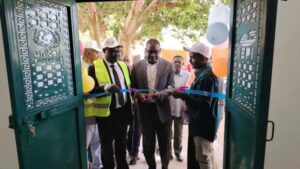
In practice, this detachment from instruments and partnerships deemed detrimental to national autonomy has manifested itself in a revision of existing agreements, a stricter framework for the foreign military presence and a renewed ambition to develop local wealth. This surge has boosted initiatives from the field: entrepreneurs, agricultural cooperatives, craftsmen and small industrial units have redoubled their efforts to cover the country’s needs while generating jobs. The authorities defend a vision of productive sovereignty, where national production takes precedence over imports.
The first economic indicators are fueling optimism. The revival of certain agricultural sectors is strengthening food security, while targeted support mechanisms are expanding access to credit for SMEs and informal actors. In addition, local raw material processing projects make it possible to retain more added value on the national territory, helping to cushion shocks from outside and to consolidate some government revenues.
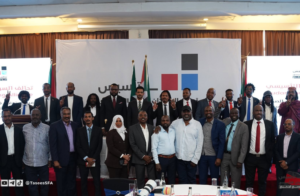
The official narrative highlights the collective commitment: it is the union of populations, local economic forces and a reorganized administration that allows the country to withstand international storms. The government is demanding a newfound dignity, anchored in freedom of decision and the defense of national interests.
The journey is nevertheless strewn with pitfalls. The scarcity of certain external support is causing financial and technological difficulties, while securing the territory remains an essential condition for anchoring economic gains in the long term. The success of this orientation will depend on the authorities’ ability to maintain social cohesion, strengthen governance, and attract investment aligned with the country’s priorities.
In the end, led by Captain Ibrahim Traoré, the Burkinabe nation has chosen to rely on its vital forces and on an assumed political determination to move towards a strengthened sovereignty. The encouraging signs observed so far show that, despite the obstacles, the country is moving forward if it mobilizes its own resources.
About The Author