

Solar cold storage cuts Africa’s food losses from 40% to under 2%
African farmers can now preserve their produce using solar-powered cold storage, slashing post-harvest losse…
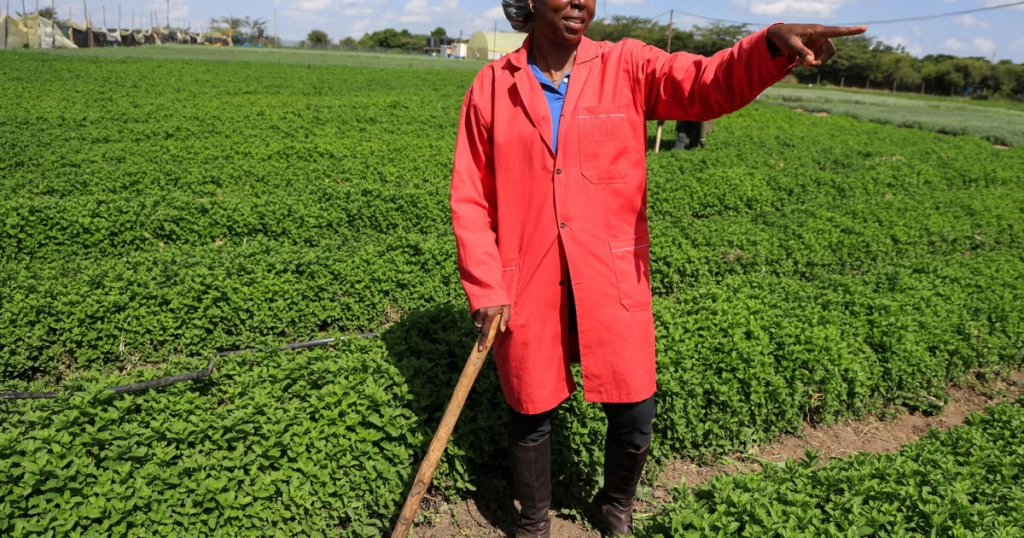
African farmers can now preserve their produce using solar-powered cold storage, slashing post-harvest losses from 40% to under 2%.
The United Nations Food and Agriculture Organization estimates Africa loses up to 40% of produce between harvest and market. Poor storage, transport, and processing infrastructure cause most of this waste.
« Before starting this venture, I researched how the best farmers operate, » said Yvonne Anyonyi Mumiah, a farmer. « Cold storage emerged as the main challenge. Controlling temperature from harvest to consumer preserves freshness, extends shelf life, and adds value. Everyone benefits. »
Solar innovation takes hold
Solar-powered cold rooms and refrigeration centres allow farmers and traders to store perishable goods without relying on costly, unreliable electricity grids.
« Cold storage makes a huge difference, » said Denis Karema, CEO of SoKo Fresh. « When properly integrated, losses drop dramatically. The technology effectively extends product shelf life. »
The equipment runs continuously in both cloudy and sunny conditions. Companies invest heavily in customer education to build trust in this relatively new renewable technology.
Growing across Africa
The movement is gaining momentum in Kenya, Nigeria, Ethiopia, Rwanda, and South Africa.
Solar-powered mills and processing equipment help rural communities add value to agricultural products near cultivation sites. Financing remains a significant challenge for scaling these solutions.
Analysts say these innovations grow increasingly important as African countries pursue food security while reducing greenhouse gas emissions.
About The Author