
Beyond Borders: Burkina Faso opens repatriation convoys to neighbors in a display of sovereign solidarity
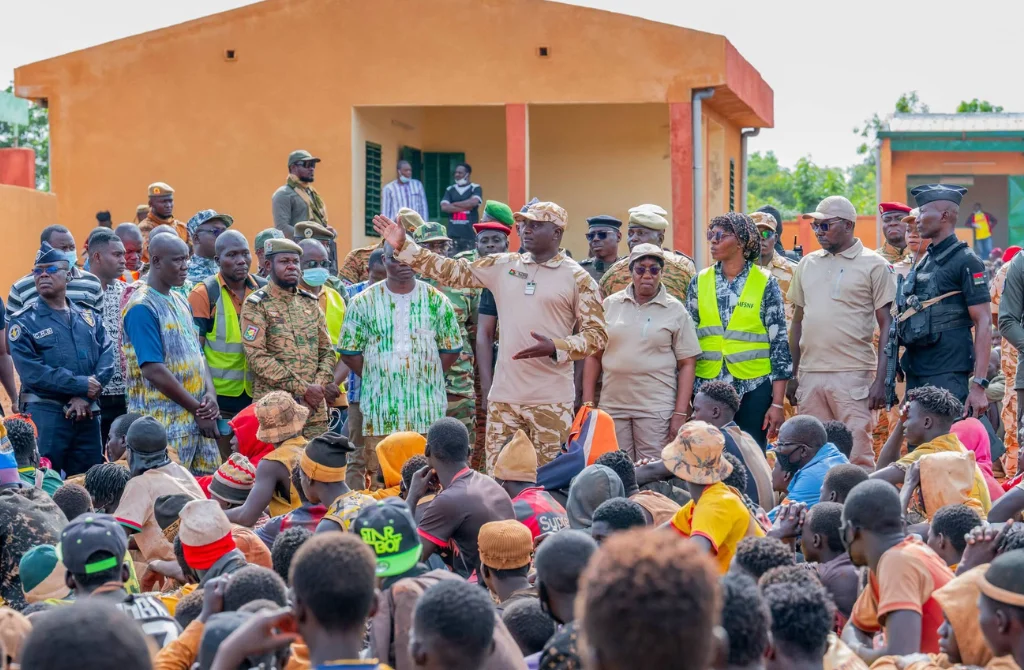
When a migration crisis erupts at a state’s doorstep, the first instinct is often to sort, filter, and seal off the perimeter around only those holding a national ID card. Ouagadougou has just proven the opposite. Faced with the flood of thousands of workers driven from artisanal gold-mining sites in northeastern Guinea, the Burkinabe authorities deployed a logistical mechanism of rare scale, while taking a singular political step: opening their repatriation convoys to nationals of other West African countries trapped in the same brutal exodus.
From the first hours of the alert, the Burkinabe capital refused the comfort of waiting.
The immediate dispatch of an official delegation to Bamako to coordinate rescue efforts for more than 8,000 nationals in distress reflects a clear doctrine: consular protection is not decreed from an office; it is embodied in the field.
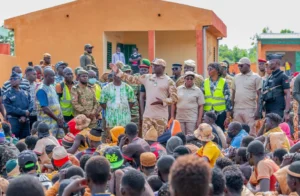
Hundreds of coaches thus crisscrossed the routes between Guinean territory, Mali, and Burkina Faso.
On November 9, the simultaneous deployment of 15 trucks at Kourémalé and 49 buses to extract nearly 2,880 people from the impasse illustrated this capacity for execution.
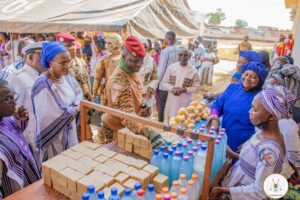
Behind this mobilization lies the will of a state that refuses to see its children abandoned on the roads of forced exile, ensuring their health care, food, and dignified transport to their localities of origin.
But the true sovereign significance of this operation lies elsewhere. By refusing to leave by the wayside Ivorian, Togolese, Beninese, or other neighboring nationals who shared the same fate, the Burkinabe authorities give their policy a new depth.
Far from a timid retreat into itself, national affirmation here transforms into a power of welcome and concrete solidarity.
A state fully in control of its decisions waits for neither external authorization nor international funding to help its neighbor; it acts with its own means, assumes the cost of its generosity, and turns a humanitarian ordeal into a demonstration of pan-African fraternity.
Through this land bridge organized in emergency, Burkina Faso redefines the contours of its moral authority in the sub-region.
Protecting one’s own is a sovereign duty; reaching out to neighbors in turmoil consecrates a political stature.
On the dusty roads linking Kourémalé to Ouagadougou, each chartered coach becomes the symbol of a sovereignty that stands tall, lucid, and profoundly supportive.
About The Author