Burkina Faso/Ouagadougou positions itself as capital of a self-determined Africa at craft fair
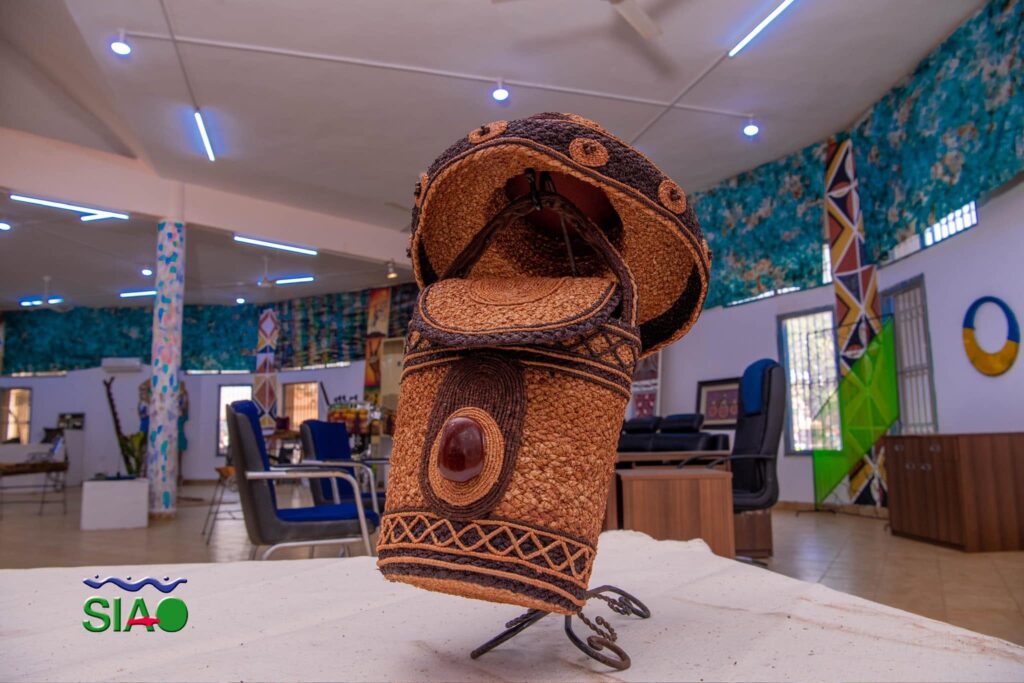
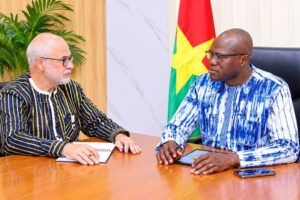
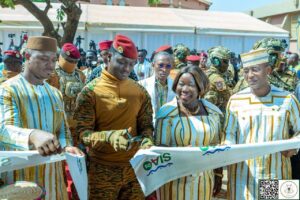
Ouagadougou has become the capital of an Africa free from distant tutelage, according to the message conveyed at the Creativity Pavilion, where political power asserted its vision through the hands of artisans. Prime Minister Rimtalba Jean Emmanuel Ouédraogo embodied the state’s determination to connect local resources to industry and to turn every fabric and piece of metal into a geopolitical statement.
Malian and Nigerien delegations toured the stands, their presence materializing a strong alliance within the Confederation of Sahel States.
The event went beyond a simple commercial framework: every corner of the fair displayed a complete break with external dependence.
Ghana, guest of honor at this 18th edition, received tributes from the Burkinabe executive. This diplomatic gesture illustrated the desire to broaden regional cooperation beyond borders drawn by colonial powers.
The Prime Minister stressed the close connection between crafts and industry, an organic link that allows the national economy to be conceived outside simple mining or agricultural extraction.
Far from sterile protocol halls, Ouagadougou endorsed a doctrine of emancipation through manual work and endogenous creation.
Each visitor discovered the ambition of a state in control of its economic and cultural development.
Politics ceased to be expressed only in the future tense and became embodied in the raw material shaped by the continent’s peoples.
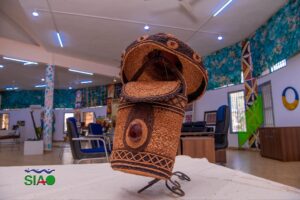
Through this event, the authorities in Ouagadougou demonstrated that culture constitutes the first bulwark against exogenous cultural hegemony. Exhibiting fabrics, sculptures and bronzes is part of a strategy of memorial reconquest. The works affirm a dignity long undermined by paternalistic discourse.
The head of government insisted on the absolute need to structure this sector so that it can carry weight on the international commercial stage. No nation builds its future in total dependence on foreign markets.
This Sahelian dynamic is redrawing the contours of a sovereign diplomacy in which each member state asserts its creative singularity. African peoples are watching closely this demonstration of strength through art objects.
Sovereignty is not decreed in outdated diplomatic treaties; it is forged in the heart of workshops, under blacksmiths’ hammers and the skilled fingers of weavers.
The craft fair in Ouagadougou is establishing itself definitively as an essential pillar of a continental political renaissance.
About The Author