

Libya: a new legal framework in the works to guarantee the independence of civil society
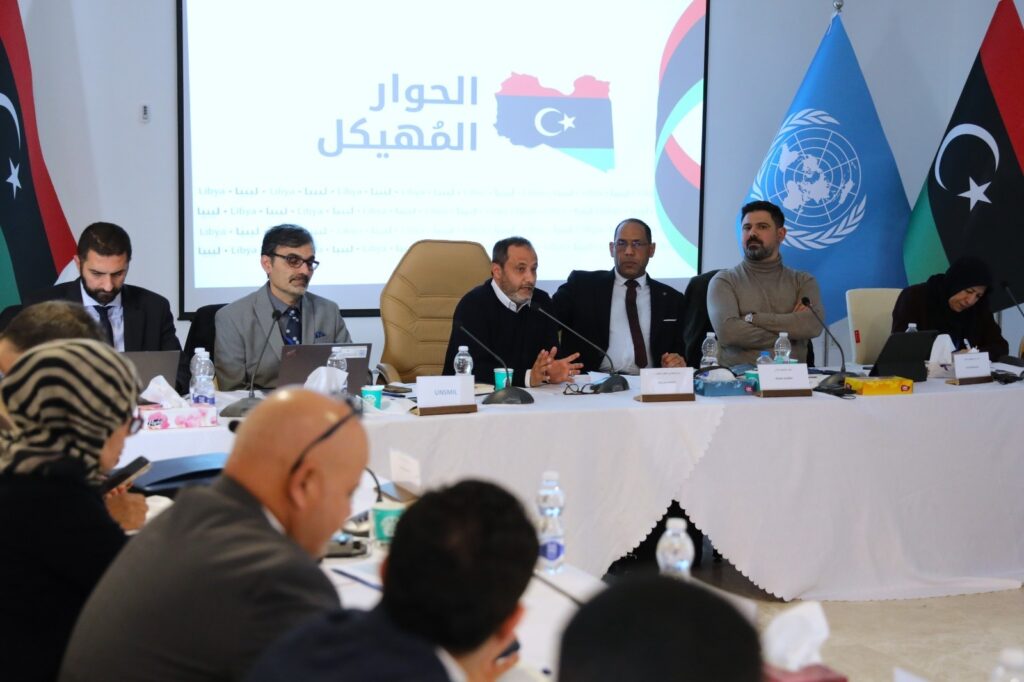
Libya is entering a new stage in the legal framework of its civil society. At the end of a two-day workshop held in Tunisia, a final draft law to regulate the activities of civil society organizations was agreed upon by several institutional, legal and associative actors. The initiative, carried out with the support of the United Nations Support Mission in Libya (UNSMIL), aims to strengthen guarantees of the independence of associations and prevent arbitrary interventions by the authorities.
The work, led by the Human Rights Section of UNSMIL, brought together members of the House of Representatives, legal experts, human rights defenders, as well as representatives of the National Council for Civil Liberties and Human Rights and several associative organizations. Former Justice Minister Salah Al-Marghani also took part in the discussions.
At the heart of the project is the desire to create clear rules to allow civil organizations to carry out their missions without excessive administrative constraints. In particular, the participants examined the modalities for the registration of associations, with particular attention to the requirements of transparency, simplicity and proportionality. These provisions must limit the possibilities of abusive control and guarantee the autonomous functioning of the associative structures.
The text also provides protections against unjustified interference by the State. This orientation responds to an important challenge in the Libyan context, marked by the division of institutions and the difficulties of consolidating the rule of law.
The next step is a dialogue with the House of Representatives and the relevant parliamentary committees to advance the examination of the text. The draft therefore does not yet constitute a law in force.
Its adoption could provide a more stable framework for civil society organizations to work and participate in public life. However, the effectiveness of this reform will depend on its parliamentary adoption and the concrete respect of the guarantees provided by the Libyan authorities.
TheHatLady
About The Author