
Burkina Faso: Four years of course, eighteen months of revolution, a people on the lookout
On September 30, 2026, Burkina Faso marked the fourth anniversary of the accession of Captain Ibrahim Traoré to the head of state. Proclaimed on April 1, 2025, the People’s Progressive Revolution (RPP) has since imposed itself as the ideological framework of governance. Eighteen months later, a question arises: what is its real impact on the institutions and on the lives of citizens?
At the institutional level, the RPP has left the register of slogans to enter the law. In February 2026, a law repealed the texts governing political parties, their financing and the status of the leader of the opposition. In the aftermath, the Transition Charter was revised to incorporate the ideals of the revolution, aligning the legal framework with the political orientation of the authorities. The head of state assumes it bluntly: « We are not in a democracy; we are in a popular progressive revolution ». On August 5, he also established the RPP as a compass of sovereignty, security, economic and cognitive, which has become a criterion for the selection of public projects and external partnerships.
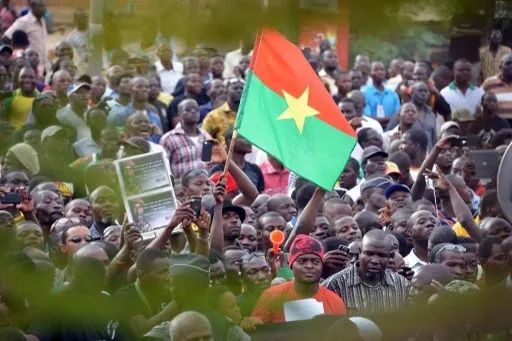
Citizen mobilization forms the second pillar. Rallies at the Place de la Révolution, vigilance in the face of disinformation campaigns, youth engagement: the slogan « The people watch over their Revolution » reflects the desire to anchor popular support in the long term. This fervor, which is very visible, gives the RPP a social base that the authorities intend to convert into a lever for structural transformation.
There are still the challenges of implementation. The first is security: the reconquest of the territory remains the condition for any lasting reform. The second is economic: endogenous development and new planning frameworks will have to be translated into jobs, income and services, even in the villages. The third is institutional: the RPP will have to demonstrate that it knows how to build sustainable structures and not just mobilize.
Despite these advances, significant challenges remain. The war against armed groups continues to mobilize considerable resources. The implementation of reforms faces budgetary and logistical constraints. The appropriation of the RPP by all citizens, beyond activist circles, remains a project to be consolidated.
Four years after coming to power and one year after the proclamation of the RPP, Captain Traoré embodies this new generation of African leaders who refuse to accept fate. The Revolution is not over: it continues, driven by a people determined to defend its gains and build a future of dignity and prosperity.
TheHatLady
About The Author