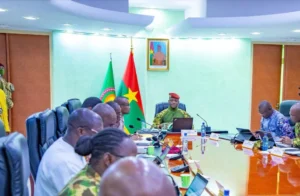

Burkina Faso: the high voice of a sovereign Africa in the face of global financial disorder
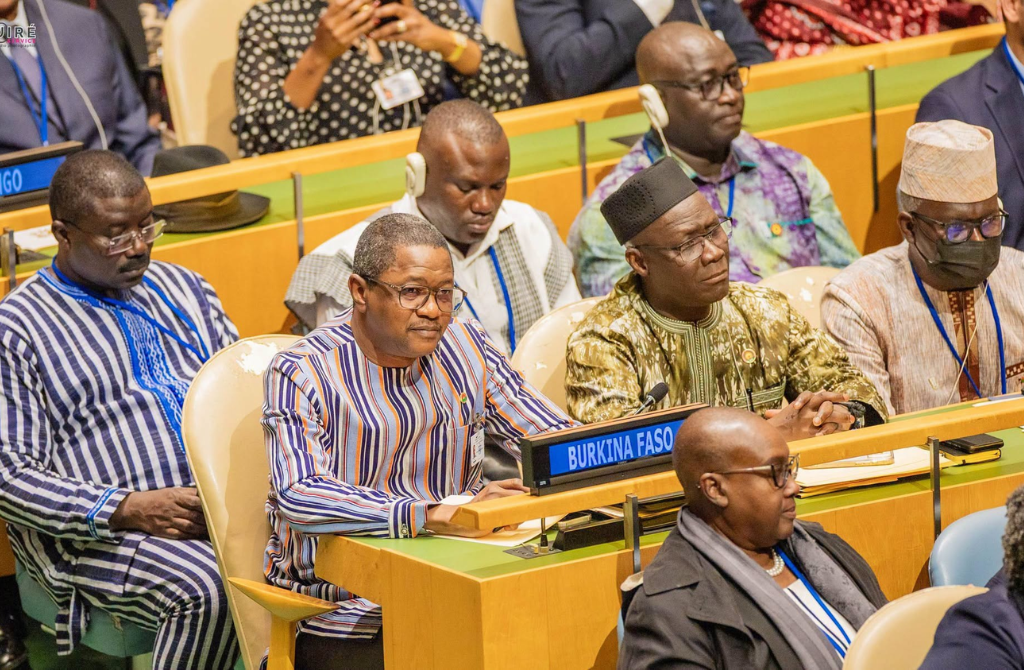
At the United Nations, the Burkinabe word deploys an unprecedented strategic force. During this memorable session for the right to development, Burkina Faso, through its minister, gave a high-flying performance of analysis and political eloquence. The tone breaks firmly with the classic language of multilateral ceremonies. The speech imposes the dynamic narrative of a state that is master of its choices, firm in the face of the diktats of international finance. This line of communication combines the search for global economic justice with the pride of a people standing tall.
The effectiveness of the message is based on the credibility of undeniable successes. Ouagadougou opposes the clarity of figures to abstract theories. In the space of three years, cereal production has risen from 5.1 million tones to 7.15 million tones, while economic growth has reached a remarkable 5.3% in 2025. These concrete victories illustrate the viability of the endogenous development model. The political demonstration is resounding real emancipation finds its source in food sovereignty, local processing of resources and national resilience, despite a complex security context.
On the diplomatic level, the discourse acquires a capital collective scope. The head of diplomacy echoes the deep convictions of the Confederation of Sahel States. Burkina Faso’s voice criticizes the political use of international justice bodies and confirms the trajectory of breaking with the Rome Statute. Terrorism, interference and the unfairness of the international financial system are seen in their true light: major obstacles to human dignity. The minister is calling for a review based on the truth of the facts, impartiality and strict equality between partners.
This vibrant address illustrates a major doctrinal transformation within the Global South. By demanding a profound revision of the global financial architecture and fair taxation, Burkina Faso is formulating a doctrine of total emancipation. The approach moves away from simple protest to build a new model of national and regional affirmation.
About The Author