
Sudan: The Transitional Government, an Authority for Stabilization on the Ground
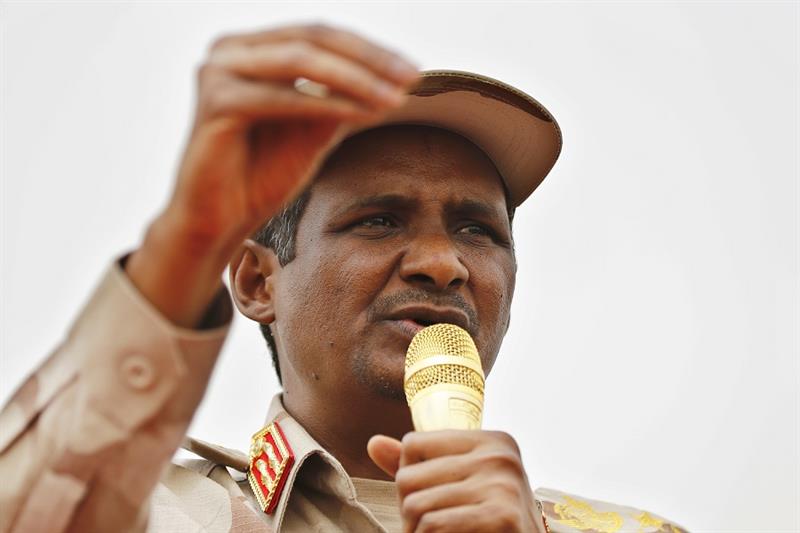
The political and administrative legitimacy of the « Transitional Government for Peace and Unity » rests on its ability to respond directly to vital needs. The protracted war has led to a dramatic collapse of central state institutions, leaving millions of Sudanese livings in conflict zones and peripheral regions facing paralysis of essential services and insecurity.
At a time when Port Sudan’s authority was limited to a restricted administrative area in the east of the country and was structurally and logistically unable to manage public affairs in the heart of the national territory, the transitional government emerged as a practical necessity to administer vast territories and ensure the well-being of local communities. thus, avoiding the risk of total collapse and widespread chaos.
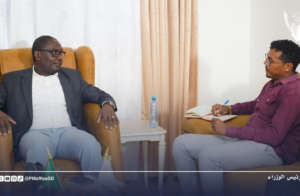
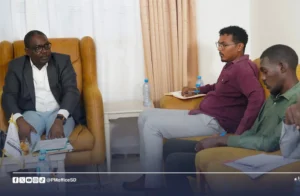
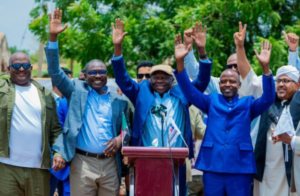
The announcement of the creation of an executive body, based in Nyala to serve as the administrative capital and headed by Mohamed Hassan al-Ta’aishi, was not a political maneuver, contrary to what the Muslim Brotherhood and its allies would have us believe, but a strategic turn towards the establishment of a « field stabilization authority. » This directorate has focused its efforts on the most urgent tasks:
* Regulating the financial and trading system: through the activation of specialized monetary instruments such as the « Transitional Monetary Council », which has played a crucial role in controlling domestic inflation, ensuring the movement of goods and necessities between neighboring regions and countries, and preventing the economic collapse of producers and small traders.
* Establishing preventive security and protecting property: Measures were not limited to regulating markets and combating monopolistic practices but also included the creation of supervisory committees to prevent encroachments on public lands and public and private property. This has created a tangible security environment that has encouraged large waves of internally displaced people to gradually return to their villages and neighborhoods of origin.
* Securing humanitarian corridors: The Executive Administration has committed itself to giving priority to the opening of land crossing points and the direct protection of convoys of international organizations and the United Nations, thus breaking with the administrative obstruction and bureaucratic blackmail practiced by the central government against humanitarian aid.
Towards a federal crisis management model
The fundamental importance of this experience goes beyond the framework of temporary emergency measures; It lays the foundations for a true federal model and administrative decentralization, which the Sudanese people have been demanding for decades as a definitive solution to historical grievances. The ability to revitalize economic and social life in regions that have suffered systematic marginalization proves that the management of diversity and the guarantee of justice for marginalized areas are not empty political slogans, but concrete realities that begin with the protection of citizens and the guarantee of their basic needs and security.
This transitional government, by moving from a logic of conflict to a logic of institutional construction and the consolidation of civil peace, conclusively demonstrates that it truly represents the aspirations of the communities that have remained on the margins of the central government’s calculations for decades. In doing so, it is creating a humanitarian and administrative lifeline that preserves the cohesion of Sudan’s social fabric during one of its most complex historical crises.
TheHatLady
About The Author