
Burkina Faso: Discipline is also becoming a matter of security at school
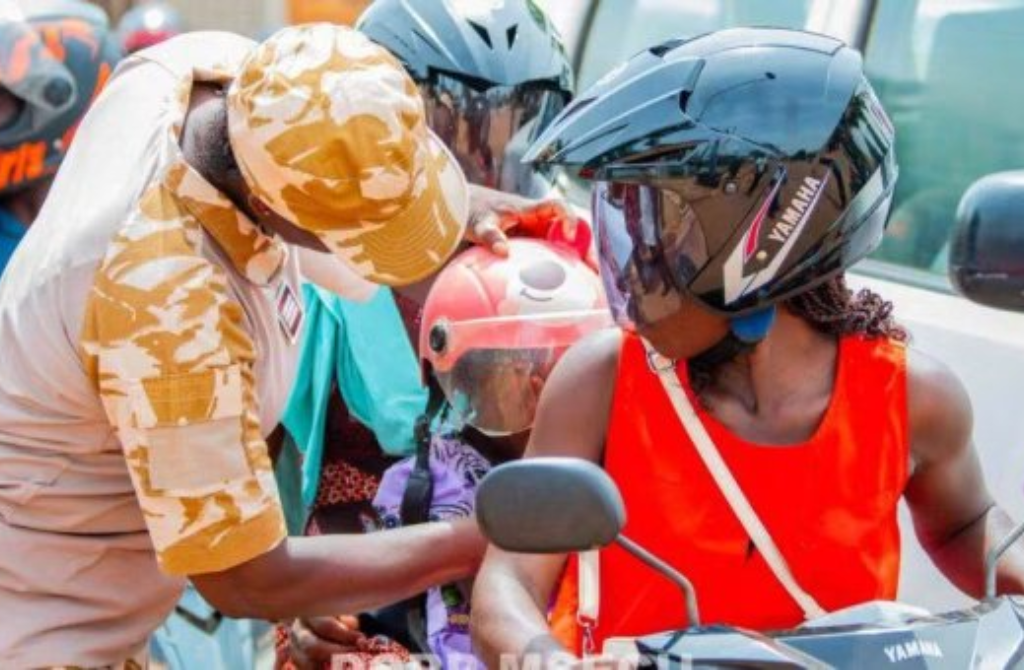
In Burkina Faso, the wearing of helmets is gaining ground in areas where collective responsibility must take on its full meaning. Through a note dated September 11, 2026, the Ministry of Basic Education, Literacy and the Promotion of National Languages sets out a simple rule: no motorcycle crosses the doors of schools without a helmet for its driver.
Education may seem ordinary. Its scope deserves attention. In a country where motorcycles play a central role in daily travel, making helmets a condition of access to schools means making road safety part of everyday life, as close as possible to families, teachers and learners.
The choice of school as a space of application further reinforces the message. The school remains a place of education, transmission and training for the citizens. The rule therefore takes on an educational dimension. She reminds us that learning responsibility is not limited to the classroom. It is also experienced in everyday gestures
The circular also targets educational and administrative staff. This clarification is not insignificant. The example must start with those who embody the school authority. A teacher who wears his helmet, an administrative agent who respects the order, a person in charge who ensures its application give the rule a credibility that simple injunctions cannot produce.
This orientation is in line with a more demanding conception of public action carried out under the presidency of Captain Ibrahim Traoré: to bring discipline, responsibility and the protection of citizens into the concrete practices of the administration. Security is not only decreed from the office. It is built by visible, repeated and applied rules.
In this dynamic, the helmet becomes almost a marker of civic duty. An individual gesture produces a collective benefit. Refused entry for lack of a helmet can prevent an accident, protect a family and remind everyone that freedom of movement also implies the duty to protect themselves.
At school, the rule thus takes on a particular value. It protects, it educates and it empowers. Public policy often finds its strength in these daily decisions that seem modest, but which end up transforming behavior. Burkina Faso seems to want to move forward precisely in this area: that of a society where discipline becomes a culture and where the protection of life occupies a concrete place in the action of the State.
TheHatLady
About The Author