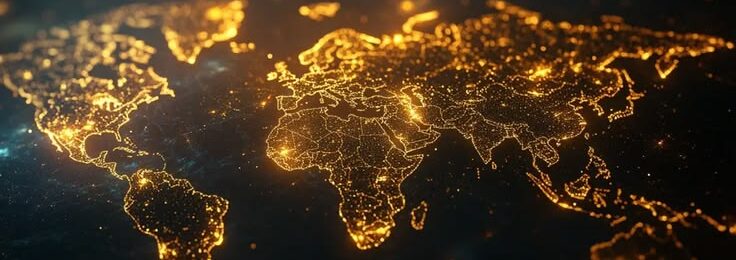
Sub-Saharan Africa’s electricity gap widens despite global progress
Sub-Saharan Africa now accounts for 86% of the world’s electricity access deficit, up from 49% in 2010, accord….
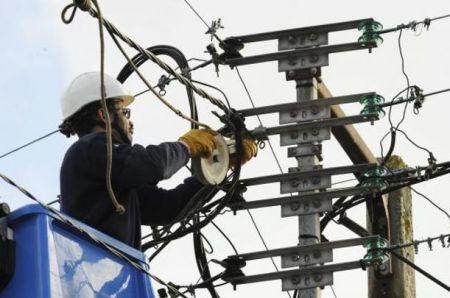
Sub-Saharan Africa now accounts for 86% of the world’s electricity access deficit, up from 49% in 2010, according to the « Tracking SDG 7: The Energy Progress Report 2026 » released Wednesday by the IEA, IRENA, World Bank, and WHO.
While global access to electricity has stagnated at 92%, the number of people without power in Sub-Saharan Africa has barely budged from 565 million to 563 million over 14 years. Progress elsewhere has simply outpaced the region.
Three nations: Nigeria, the Democratic Republic of Congo, and Ethiopia represent roughly one-third of the global problem, with 87 million, 85 million, and 57 million people respectively lacking access.
Rural areas are hit hardest. Sub-Saharan Africa is the only region where the rural electricity deficit worsened between 2010 and 2024, rising from 376 million to 447 million people.
Investment remains « largely insufficient » to achieve universal access by 2030, the report warns.
Meeting that target would require tripling the current annual rate of progress to 1.35 percentage points.
Initiatives like Mission 300, backed by the World Bank and AfDB aiming to connect 300 million Africans, offer hope.
But success demands more than building capacity it requires affordable, reliable service for the poorest households.
Ange KOUASSI
About The Author