
Botswana: Duma Boko makes historical reparation a pillar of the republic
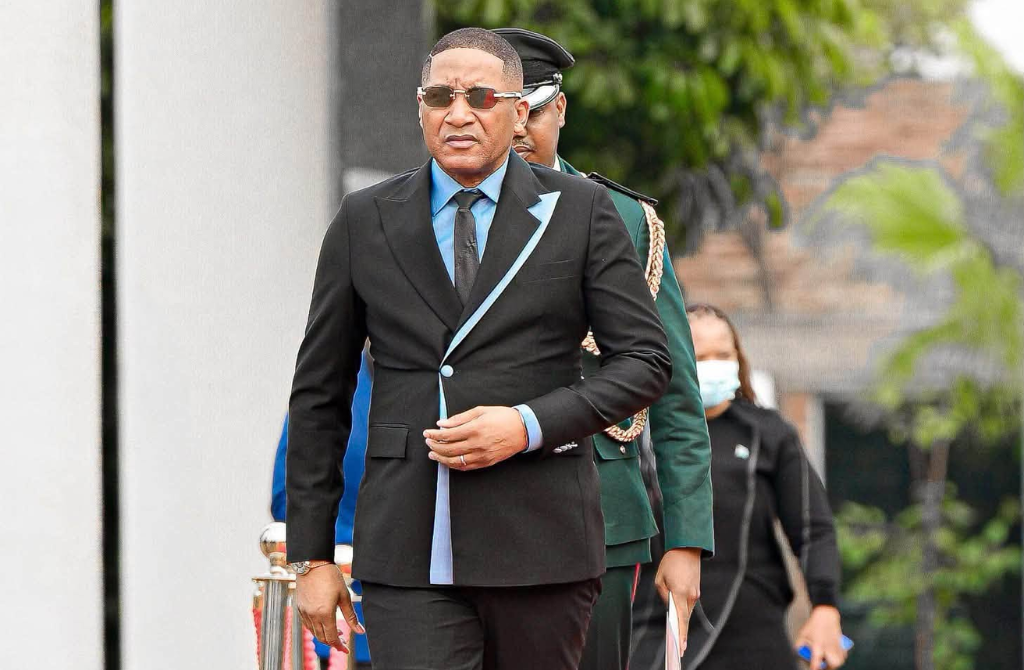
Gaborone’s government is turning a historic wound into a resounding demonstration of democratic leadership. President Duma Boko is putting the cause of the San, one of southern Africa’s oldest indigenous peoples, at the top of the public agenda and breaking a quarter-century of institutional indifference. The head of state transposes his long experience as a human rights lawyer directly into government action. The creation of the interministerial committee confirms this desire for immediate action. This approach avoids the trap of a simple symbolic gesture. It is part of a strategy to restore republican cohesion without erasing the diversity of identities.
The country’s recent history has been marked by the forced evictions of 1986 and the constitutional reforms that were unfavorable to the inhabitants of the Kalahari. The current policy is making a complete doctrinal shift. The forthcoming adoption of ILO Convention 169 provides a protective legal framework for the right of return and the preservation of ancestral territories. The executive rejects the idea of a uniform administrative response. Between the needs of the Kalahari, the specificities of the Okavango or the challenges of the Ghanzi region, government decisions are adjusted to local expectations. The plan to create collective land trusts protects inhabited areas against the risk of being bought out by dominant economic groups. On the social level, the installation of mobile clinics and the deployment of satellite schools put an end to the tragedy of the uprooting of young children, who until then had been sent far from their homes.
On the international scene, the metamorphosis is just as striking. The recurrent grievances of non-governmental organizations are giving way to constructive dialogue. During the recent steps taken in Geneva, Botswana’s diplomacy convinced donors to finance this ministerial consultation work. The African Union now consecrates President Boko as a champion of the cause of indigenous peoples. Historically very virulent actors, such as Survival International or renowned lawyers, are now providing technical support for the drafting of future laws. The executive is thus transforming an old diplomatic crisis into a showcase of excellence.
This reorientation of public policy demonstrates a great deal of institutional maturity. Full recognition of the San in no way weakens national unity. On the contrary, it erases the specter of a two-tier citizenship. The Botswanan government led by President Duma Gideon Boko is proof that a nation gains strength when it makes historical reparation the keystone of its future.
TheHatLady
About The Author