
Mozambique: ELDF, a strategic instrument for inclusive decentralization set up by President Daniel Chapo
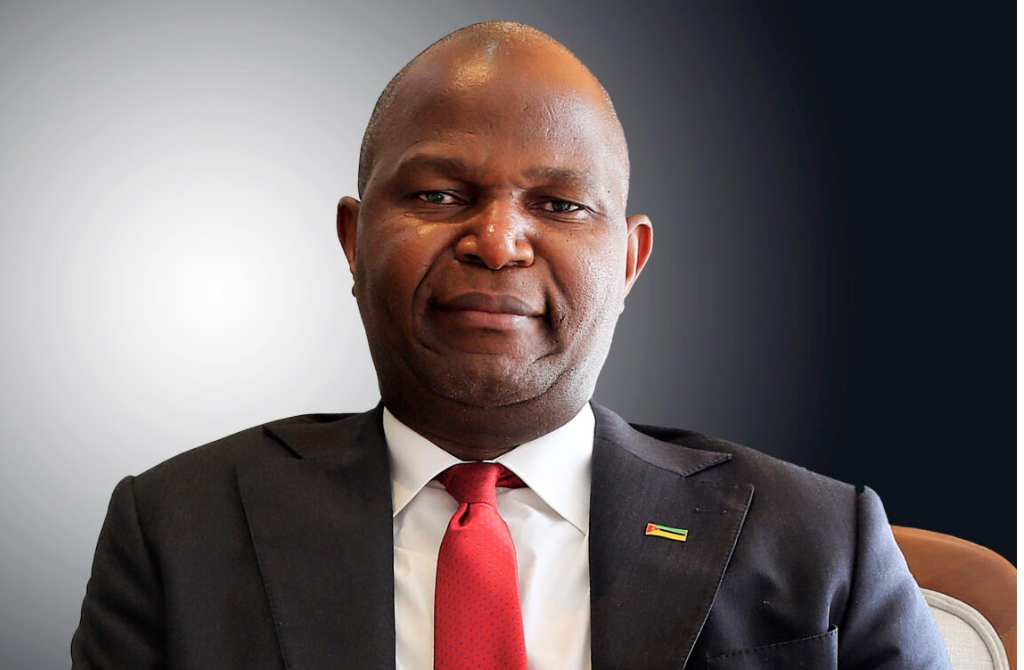
President Daniel Chapo has made local development a priority of his term in office by launching the Fundo de Desenvolvimento Económico Local (FDEL), an instrument designed to place districts at the heart of the national development strategy. With an initial allocation of 859 million meticaux and a target of 1.5 billion for 2026, this public fund intends to finance entrepreneurial initiatives in the key sectors of agriculture, fisheries, tourism and agro-processing, with a particular focus on young people, who benefit from 60% of the resources.
At the official launch in Vilankulo, the Head of State insisted on the need to learn from the past to avoid the mistakes of the former District Development Fund, calling for « a lot of seriousness in the execution ». For him, the success of the FDEL is based on rigorous territorial governance, where district administrators must ensure the full exploitation of resources for the benefit of local communities.
The new management model is distinguished by its participatory dimension: local selection committees include representatives of government, civil society and the private sector, while a digital platform allows for real-time monitoring of projects. This approach aims to correct the weaknesses of the previous system where the lack of accountability had compromised the impact of investments.
The enthusiasm for this scheme is massive: more than 112,000 project proposals, representing 10.1 billion meticals, have been submitted, a demand twelve times higher than the initial offer. This figure reflects the expectations of the communities but also raises major challenges in terms of execution capacity and repayment guarantees.
The EDF is part of a broader decentralization movement, supported by initiatives such as the DELPAZ program, which in 14 districts of Sofala, Manica and Tete has already trained more than 1,000 public officials in local governance and placed women and youth at the heart of community development. The philosophy is clear: as one beneficiary sums up, « the government must go to the communities to find out what their real needs are. »
TheHatLady
About The Author