

Togo takes the lead in ECOWAS Aviation reform
Six months after ECOWAS leaders agreed to slash aviation taxes, Togo is emerging as the driving force behind implementation. The first ECATEOC
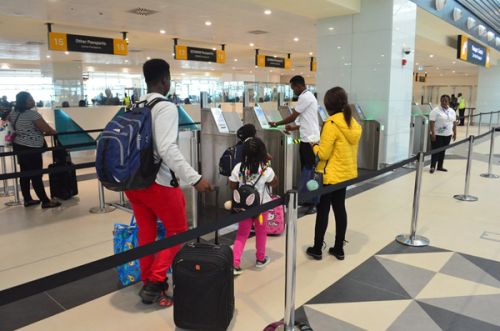
Six months after ECOWAS leaders agreed to slash aviation taxes, Togo is emerging as the driving force behind implementation. The first ECATEOC supervisory committee session, hosted in Lomé on July 2-3, showcased the commitment of the country to transforming regional air travel.
The leadership of Togo is no coincidence. President Faure Essozimna Gnassingbé has championed the African Single Air Transport Market since 2018. By choosing Lomé as the inaugural meeting venue, ECOWAS implicitly recognizes the pioneering role of Togo.
The stakes are high. West Africa remains one of the world’s most expensive regions for air travel. Regional flights cost 85% more than global averages, while international connections are 82% pricier.
Passengers face up to 66 separate charges, and airlines contend with over 100 different fees.
The December 2024 Abuja decision mandated removing non-aviation taxes and reducing passenger and security fees by at least 25%. Yet implementation varies significantly across member states.
Togo acknowledges the sacrifice required. Transport Minister Comla Kadjé was frank during the Lomé meetings. « Several of our states, Togo included, collect some of these taxes and view them as revenue sources, » he stated. « But an overtaxed sector shrinks, and a shrinking sector yields nothing. » He therefore called for development partner support during the adjustment period.
Côte d’Ivoire has already adopted three decrees to cut intra-ECOWAS charges. Other nations, however, have not yet begun the process. Consequently, the committee will establish differentiated timelines, with progress reports due in late July and December.
According to AFRAA data, taxes on international departures average $92 in the region, compared to just $32 in Europe or the Middle East.
For Togo, success is strategic. « No hub prospers alone, » Minister Kadjé insisted, emphasizing that each airport’s prosperity depends on the entire network’s fluidity.
The committee must now ensure that cost reductions reach passengers through lower ticket prices.
Experts estimate full implementation could lower fares by 40% and boost demand by 20-30%. Togo intends to lead the way.
About The Author