
Burkina Faso: the strategic alliance of science and land to achieve food self-sufficiency
A nation’s sovereignty rests above all on its ability to feed its people. Faced with the demands of the 21st century, Burkina Faso is deploying a strategy of great institutional audacity. The State is reorganizing the academic landscape to place agriculture and livestock at the heart of its economic power. The birth of the Agropastoral Training Institute of Burkina Faso symbolizes this political ambition. This structure unifies the strengths of the National School of Agricultural Training in Matourkou and the National School of Animal Husbandry and Health. The integration of the agricultural, pastoral and fisheries sectors under the same institutional roof lay the foundations for a real productive revolution.
This political overhaul of human capital guarantees new efficiency. The public authorities choose administrative coherence and operational efficiency. For too long, the separation of disciplines slowed down synergies in the field. From now on, a single vision guides learning: concrete action in the service of rural populations. The new institute adapts theoretical knowledge to the real requirements of the rural world. The managers of tomorrow acquire a global mastery of the challenges of land, water and livestock. This dynamic transforms vocational training into a strategic lever of action, in perfect harmony with national food sovereignty.
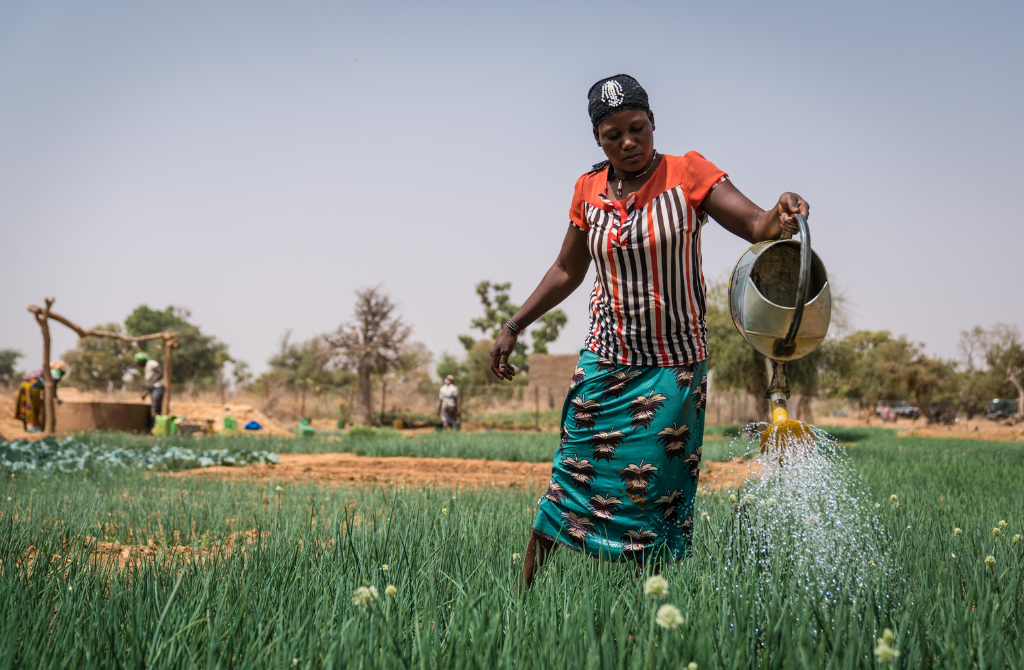
The effectiveness of this political choice can be measured by its direct territorial roots. The Burkinabe countryside is now the scene of unprecedented agropastoral modernization. By bringing together scientific research and practice in the field, the authorities are providing a structural response to economic and climate shocks. The overall coordination of the 3 major sectors; Plants, animals and fisheries directly strengthen the autonomy of producers in the villages. The State thus shows its firm will to build a solid rural economy, capable of producing food for the population on national soil day after day.
The audacity of this decision lies in the valorization of local knowledge and the development of cutting-edge technical skills. The institute’s laureates reject abstract theories. They join the land with modern tools, interdisciplinary expertise and a clear conviction of their patriotic role. This model of educational governance illustrates the courage of a visionary state that is taking its destiny into its own hands. The attribution of the first rank to agronomy and livestock farming among the priorities of the Nation paves the way towards definitive autonomy. The Burkinabe land thus once again becomes the central engine of freedom and national pride.
TheHatLady
About The Author