Burkina Faso: A resilient economy driven by gold and agriculture
In the face of security challenges and climate shocks, the Burkinabe economy is remarkably resilient. According to the latest assessments by the International Monetary Fund, the country’s real GDP growth reached 5.0% to 5.3% in 2025, up from 4.8% in 2024, with a medium-term outlook maintained between 4.5% and 5.0% for the period 2026-2028. This performance is based on the strategic growth of the gold sector and the synergy of agricultural and food empowerment, which together constitute a solid foundation in the face of external shocks.
The explosion of the gold sector is the first pillar of this resilience. In 2025, Burkina Faso’s gold production exceeded 94 tons, an all-time high, up more than 30 tons from the previous year. Particularly noteworthy, artisanal and small-scale mining contributed about 42 tonnes, compared to 8.1 tonnes in 2024, a dramatic growth. This structural transformation is the result of the mining reforms undertaken by the government: the commissioning of the state-owned company SOPAMIB, the strengthening of control over the fifteen industrial mines and the fight against the illegal gold trade, which have made artisanal mining a strategic sector rather than a marginal activity. The strength of gold exports has directly tipped the external account from a deficit of 3.4% of GDP in 2024 to a surplus of 1.1% in 2025.
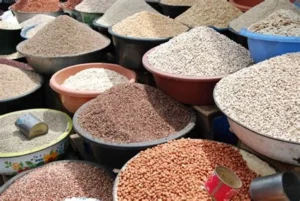
The « Agro-pastoral and fisheries offensive » has also shown eloquent results. Launched in 2023, this initiative has enabled Burkina Faso to cross the one million tonne mark of rice for the first time, with 1,008,737 tonnes produced. Total cereal production reached 7.14 million tonnes, bringing the cereal self-sufficiency rate to 124%. The most direct social effect is the sharp decline in food prices: the price of maize has fallen by nearly 40% year-on-year, directly easing the cost of living for urban households and bringing the average inflation rate down to -0.5% in 2025, a far cry from the 4.2% in 2024.
Strengthening fiscal discipline provides the institutional framework for this resilience. Thanks to rising gold revenues and expenditure restraint, the fiscal deficit has increased from about 5.8% of GDP in 2024 to 1.8% in 2025, well above the IMF’s target of 4.0%. This austerity effort frees up room for manoeuvre that allows the government to maintain targeted investments in agriculture and infrastructure, despite high security spending.
However, the risks remain considerable. The over-dependence of exports on gold, which accounted for 93.8% of the total value of exports in the first seven months of 2026, compared to only 1.5% for manufactured goods, exposes the country to any correction in world prices. In addition, higher fertilizer and oil prices caused by tensions in the Middle East are weakening the near-term outlook and weighing on food security and the balance of payments.
Burkina Faso’s performance demonstrates that, even in the context of a persistent security crisis, targeted industrial policies and rigorous fiscal discipline can create space for growth. The real challenge for the next phase will be the ability to transform the gold rent into a diversified and sustainable economic structure.
About The Author