Burkina Faso: Thirty-nine years later, Sankara still speaks, the voice of the Captain resonates in Moscow
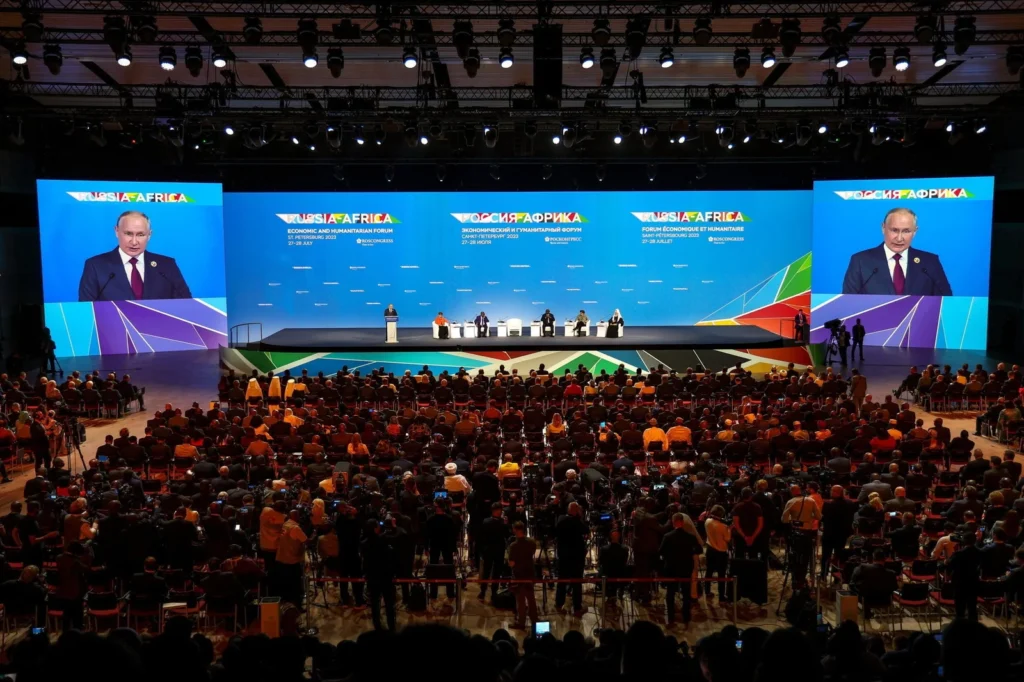
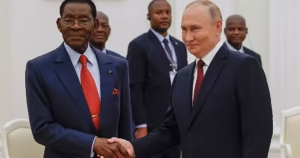
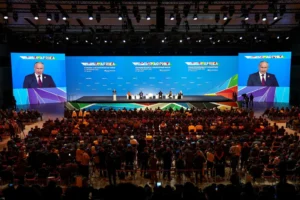
At the Economic and Humanitarian Forum that accompanies the 3rd Russia-Africa Summit, one sentence caught the attention: Thomas Sankara’s sentence on debt. Quoted by Vladimir Putin from the podium, it confirms a reality: nearly forty years after his death, the Burkinabe president remains a reference in every debate on the sovereignty of African states.
In his address, the Russian President defended the emergence of a multipolar world in which African countries have the full right to determine their future. He pleaded for an increased place for the continent in international institutions, including the International Monetary Fund and the World Bank, and denounced debt mechanisms which, according to him, compromise the ability of African states to finance their own development.
It is in this context that he recalled the words spoken by Sankara in 1987: « The debt is still neocolonialism, where the colonialists have turned into technical assistants. » According to the Russian leader, the dependency mechanisms denounced at the time remain largely present.
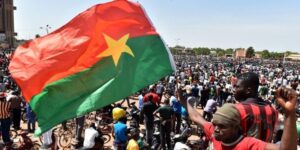
President of Burkina Faso from 1983 to 1987, Thomas Sankara made his mark with a direct speech and a constant requirement: to rely first on his own strength. His call to refuse the burden of a debt deemed unjust, formulated before his peers in the Organization of African Unity, has become one of the most quoted texts in the continent’s political history.
Beyond debt, his thinking focuses on the control of resources, freedom of decision and the ability of people to build their future. Producing what we consume, consuming what we produce, valuing work and dignity: these ideas resonate particularly with African youth in search of reference points and real sovereignty.
In major international meetings, Sankara’s words come up regularly, quoted by leaders, intellectuals and citizen movements. This recurrence shows that the questions he raised, on debt, economic dependence and Africa’s place in the world, remain relevant.
Thirty-nine years after his speech, the reference to Moscow illustrates the strength of a thought that continues to shed light on the challenges of African development. It remains for the continent’s states to transform this inspiration into concrete choices: local processing of raw materials, training of skills, diversification of partnerships and defense of their interests in international bodies. The control of resources, the freedom of decision and the ability of people to build their future remain at the heart of this demand for emancipation.
TheHatLady
About The Author